Every furniture arranging guide tells you the same things: Float furniture away from walls. Create conversation areas. Leave 18 inches between sofa and coffee table. Follow the traffic flow…
Great advice—if you have a normal room.
But what if your living room has a fireplace in the corner? Or does your bedroom have three doorways? Or is your dining room long and narrow with windows on both ends?
Those textbook rules don't just fail in awkward rooms—they make the problem worse.
Awkward rooms need different rules. Sometimes the 'wrong' way is the only way that works.
Here are five furniture arranging rules you have permission to break—and what to do instead when your room doesn't play by the rules.
Rule #1: 'Float Furniture Away from the Walls'
Why This Rule Exists
In normal-sized rooms (14x16 or larger), floating furniture creates intimate conversation areas and makes the space feel intentional rather than pushed to the edges. It's good advice for big, open rooms.
When to Break It
In small or narrow rooms (under 12 feet wide), floating furniture doesn't create coziness—it creates obstacles. You end up with a sofa in the middle of the room blocking traffic, wasting the walls, and making the whole space feel cramped.
What to Do Instead
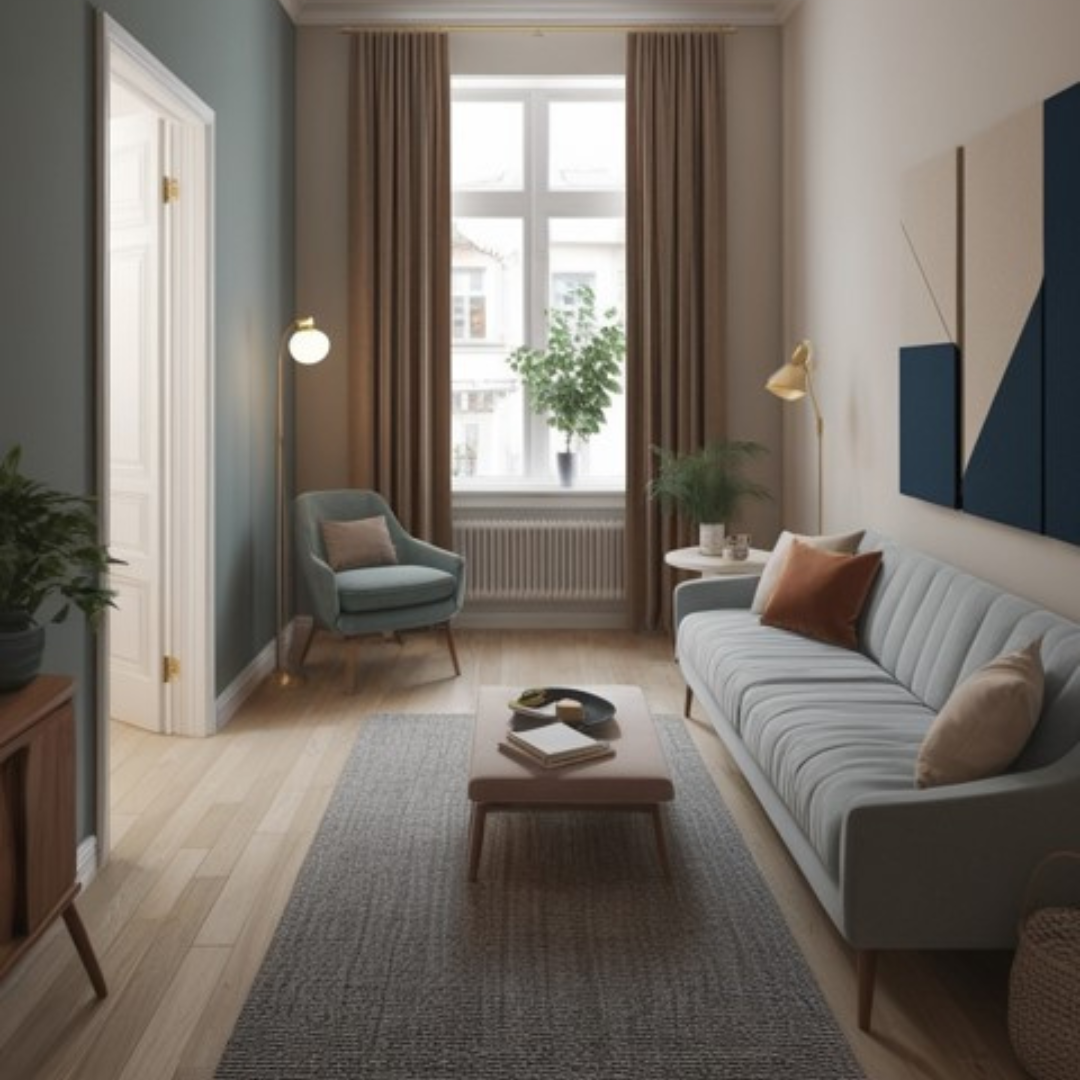
Push your largest pieces against the walls. In awkward or small rooms, walls are your friends. Anchor your sofa against the longest wall, put your bed against the wall, line your dining table up with the window. This maximizes your usable floor space and creates clear pathways.
The exception: If you have a room that's extremely long and narrow (like a 10x18 living room), you might float ONE piece perpendicular to the long walls to break up the bowling alley effect. But don't float everything—just one strategic divider.
Rule #2: 'Create a Conversation Area with Seating Facing Each Other'
Why This Rule Exists
Face-to-face seating creates intimacy and encourages conversation. In a large living room with space for a sofa, two chairs, and a coffee table all arranged in a square, it's perfect.
When to Break It
When your room can barely fit a sofa, let alone opposing chairs. Trying to force a conversation grouping in a tiny living room means you end up with furniture crammed too close together, no walking space, and chairs that never get used because they're uncomfortable to access.
What to Do Instead
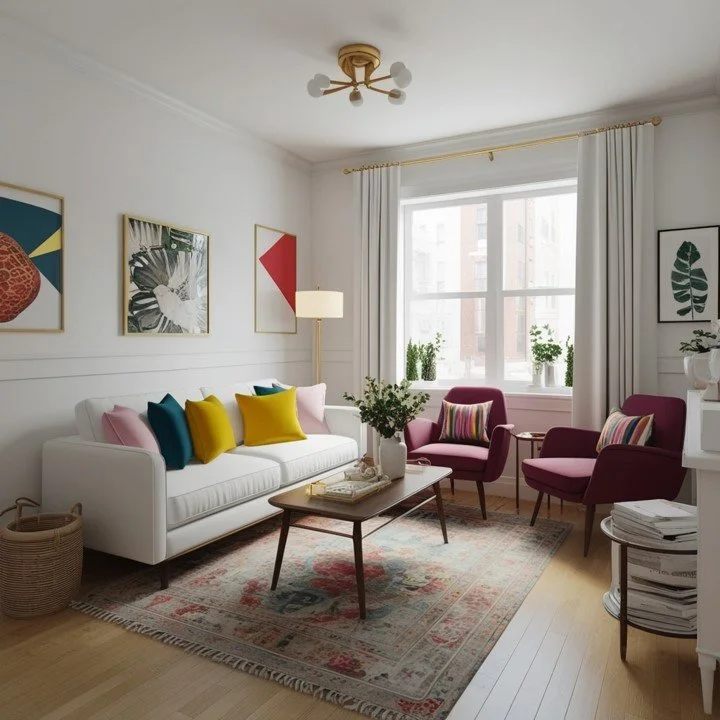
Line your seating along one or two walls in an L-shape. Sofa on the main wall, one chair perpendicular in the corner. Or sofa plus loveseat forming an L. People can still talk—they just turn their heads slightly instead of sitting knee-to-knee.
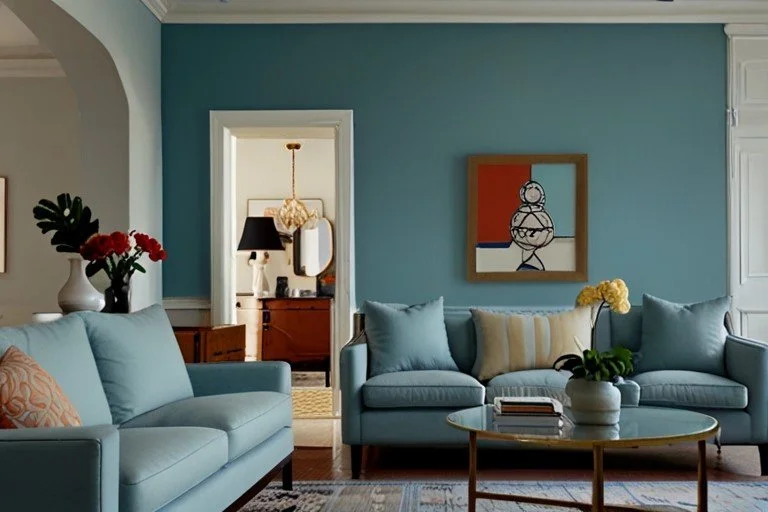
This works especially well in rooms with off-center windows, doors, or fireplaces. Instead of fighting the asymmetry by trying to center everything, embrace it. Put your sofa under the window, chair beside the fireplace, done.
Rule #3: 'Leave 18 Inches Between Your Sofa and Coffee Table'
Why This Rule Exists
Eighteen inches is the ideal legroom distance—comfortable for putting your feet up, easy to reach the table, spacious enough to walk between if needed. It's ergonomically correct.
When to Break It
What if 18 inches of space is a luxury you don't have? In tight living rooms or multi-use spaces, that 18 inches might be the difference between fitting a coffee table at all or leaving it out entirely.
What to Do Instead
Go as tight as 12-14 inches if you need to. It's still functional—you can reach the table, set down a drink, prop your feet up. Yes, it's snugger than ideal. But a coffee table 14 inches away is better than no coffee table because you're trying to preserve 18 inches of sacred space.
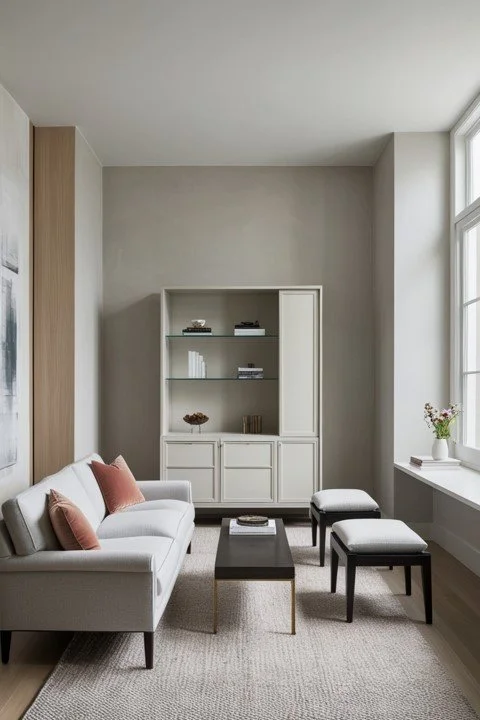
Alternative solution: Skip the coffee table entirely and use nesting side tables or a narrow console behind the sofa. Sometimes the 'required' piece of furniture is the problem, not the spacing.
When to absolutely not break it: If the coffee table blocks a major walkway. Then you need less than 12 inches or no table at all—don't create an obstacle course.
Rule #4: 'Center Your Furniture on the Focal Point'
Why This Rule Exists
Symmetry is visually pleasing. Centering your sofa on the fireplace or TV creates balance and makes the room feel 'finished.' In textbook rooms with centered focal points, this works beautifully.
When to Break It
When your focal point isn't centered. Off-center fireplaces, corner windows, doorways that ruin symmetry—these are common in older homes, apartments, and awkward layouts. Trying to force symmetry around an asymmetrical feature creates awkward gaps and wasted space.
What to Do Instead
Embrace asymmetry. If your fireplace is in the corner, put your sofa at an angle facing it. If your window is off-center, place your desk or reading chair to take advantage of the light instead of centering it on the wall.

Asymmetrical layouts often feel more interesting and custom than forced symmetry. The key is intentionality—make it look like you CHOSE the asymmetry, not like you gave up.
Pro tip: Balance asymmetry with weight, not mirroring. If your sofa is off-center to the left, put a tall plant or bookshelf on the right to balance the visual weight. Balanced doesn't mean identical.
Rule #5: 'Keep All Furniture the Same Height for Visual Flow'
Why This Rule Exists
Consistent furniture heights create horizontal sight lines that make rooms feel calm and cohesive. When everything is roughly the same height, your eye moves smoothly around the room without jarring jumps.
When to Break It
When you need to create visual interest in a boxy, boring room. Also, when you have low ceilings—all low furniture makes the ceiling feel even lower. And when you're working with hand-me-downs or budget finds that don't match in height.
What to Do Instead
Use varied heights strategically to draw the eye up. In a room with 8-foot ceilings, mix a low sofa with a tall bookshelf and a floor lamp.
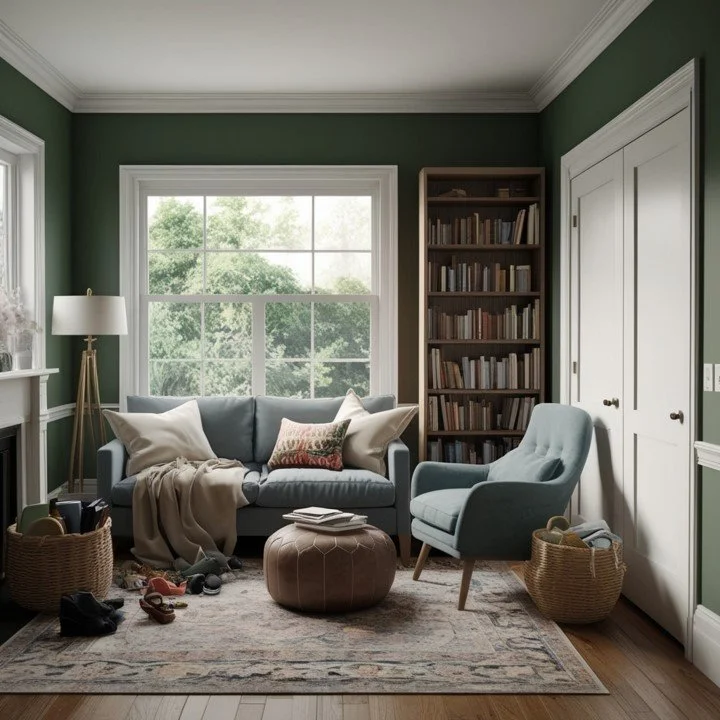
The vertical variation creates the illusion of height.
In long, narrow rooms, vary heights to break up the tunnel effect. Low dresser, tall mirror above it, medium-height chair beside it. The staggered heights add visual interest and make the room feel less like a hallway.
The guideline: Don't go crazy—stick to 2-3 distinct height levels (low, medium, tall) rather than everything at different heights. Think 'orchestrated variety' not 'chaotic jumble.'
When to Follow the Rules vs. When to Break Them
Here's the truth: Design rules exist for a reason. They work in most rooms, most of the time. But 'most rooms' assume you have a rectangular space with centered windows, symmetrical features, and a decent amount of space to work with.
If your room has off-center windows, corner fireplaces, multiple doorways, odd angles, or is just plain small—the rules stop working. And that's okay.
The real rule: Make your room work for how you actually live in it. If pushing furniture against the walls gives you more floor space, do it. If asymmetry lets you use an awkward corner, embrace it. If 14 inches between sofa and coffee table means you can fit the table at all, go for it.
Your room doesn't need to look like a magazine. It needs to function for your life. Sometimes that means following every rule. Sometimes that means breaking all of them.
Which furniture arrangement rule have you broken in your awkward room? Tell me in the comments.
Read Next

How to Arrange a Galley Kitchen That Actually Works (Without a Renovation)
Most galley kitchen advice fails because it ignores clearances and work sequence. Learn the space planning principles that make standard galleys functional.
Michael is Principal designer and blogger at Michael Helwig Interiors in beautiful Buffalo, New York. Since 2011, he’s a space planning expert, offering online interior e-design services for folks living in small homes, or for those with awkward and tricky layouts. He’s a frequent expert contributor to many National media publications and news outlets on topics related to decorating, interior design, diy projects, and more. Michael happily shares his experience to help folks avoid expensive mistakes and decorating disappointments. You can follow him on Pinterest, Instagram and Facebook @interiorsmh.