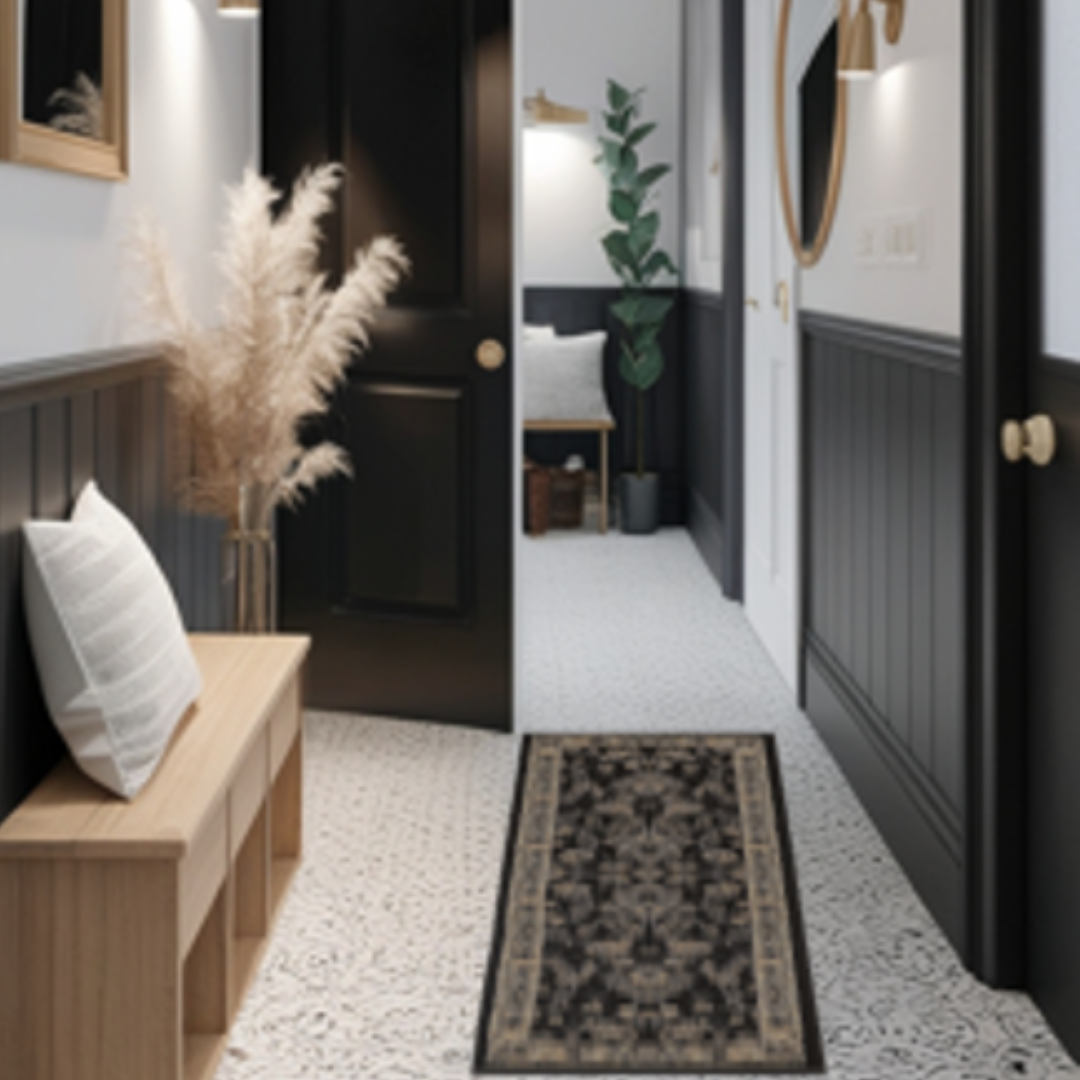
Your entryway is dark. Not 'needs better bulbs' dark. Actually dark—no windows, recessed into the house, a hallway that swallows light before it reaches the front door.
And it's awkward. Maybe the door opens directly into a wall. Maybe there's a weird half-wall or column. Maybe it's long and narrow like a bowling alley. Maybe closet doors block the natural flow.
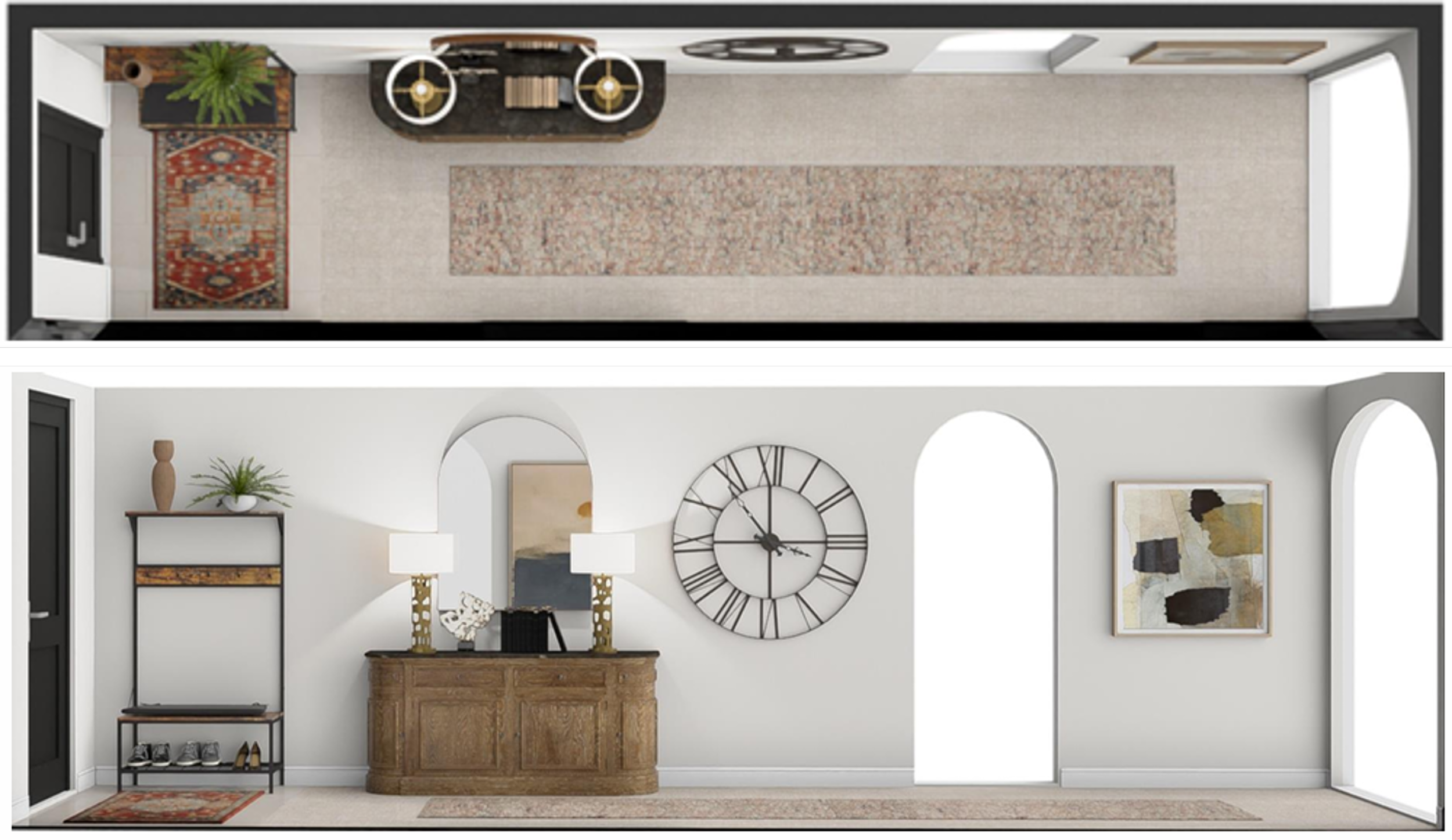
Whatever the combination of dark + awkward, the result is the same: your entryway feels like a problem, not a welcome.
Here's the strategy: You can't fix the architecture. But you can manipulate light, minimize awkwardness, and create flow where the layout didn't give you any.
Let's break down exactly how to make a dark, awkward entryway feel like a proper first impression.
Solve the Darkness with Three-Layer Lighting (Not Just Brighter Bulbs)
Most people try to fix dark entryways by installing one bright overhead fixture. It helps, but it also creates harsh shadows and makes your space feel interrogative, like you were just brought up on charges, not welcoming.
The solution you need is layered lighting: overhead, eye-level, and low-level. Three sources that work together to eliminate dark corners and create depth.
Layer 1: Overhead Ambient Light
If you can replace the ceiling fixture, choose one that diffuses light broadly—a semi-flush mount with frosted glass or fabric shade, not a bare bulb or single-direction spotlight.
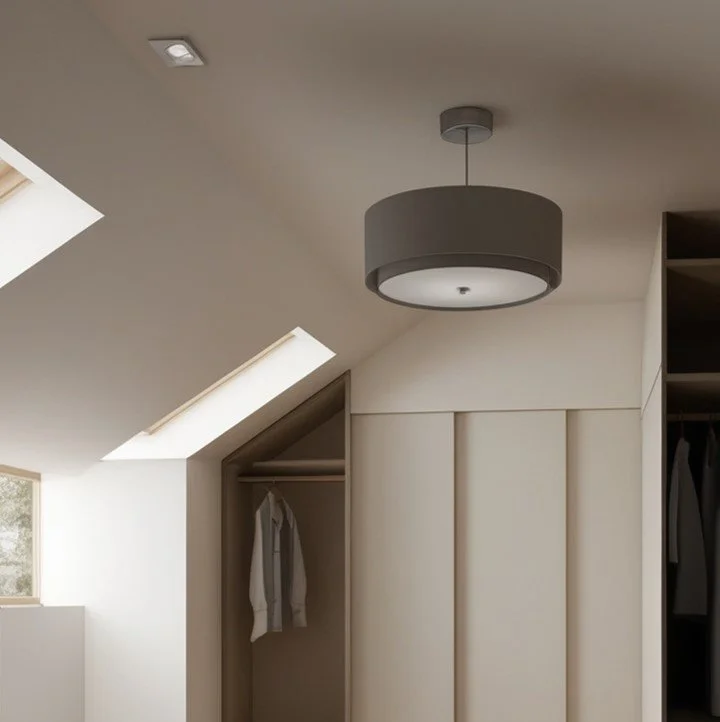
If you can't replace it: Use the brightest LED bulb the fixture allows (daylight or warm white, 800-1000 lumens minimum) and add the other layers to compensate.
Layer 2: Eye-Level Accent Light
This is where you recover from weak overhead lighting. Add a table lamp on a console, a wall sconce (plug-in if you can't hardwire), or a picture light above art.
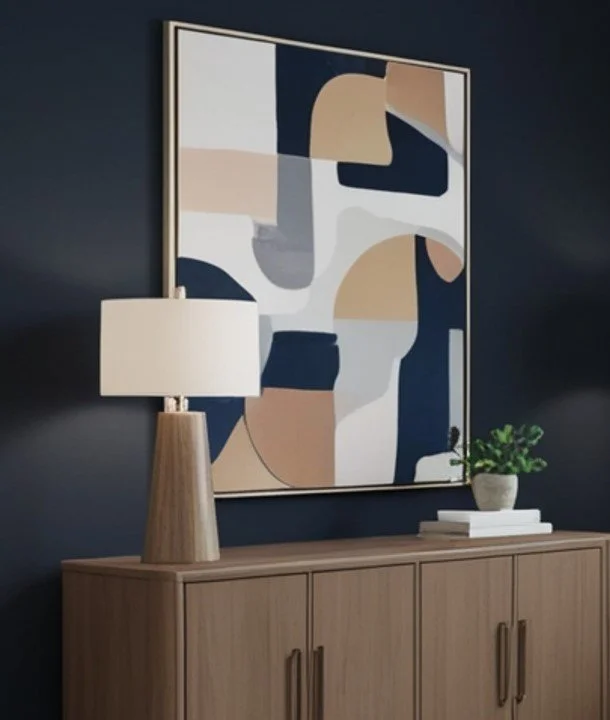
Eye-level light does two things: It breaks up the darkness that settles in the middle zone of the room, and it creates warmth. Only relying on overhead light will make your space feel cold, austere. Eye-level light feels inhabited, homey.
Practical options:
Console table with a 20-24 inch tall lamp (slim base, light-colored shade)
Plug-in wall sconce mounted 60 inches from floor (IKEA, West Elm, or Schoolhouse make good ones)
Battery-powered or rechargeable LED picture light clipped to a mirror or art piece
Layer 3: Low-Level Guide Light
This sounds fussy but makes a huge difference in dark entryways: Add a low light source near the floor. This guides people through the space and eliminates the 'black hole at the bottom' effect that happens with only the top two layers of lighting.
Options:
Small plug-in nightlight in an outlet near the floor
LED strip light under a console table or bench
Battery-powered puck lights tucked into corners or under furniture
Strategically place up-lights in corners behind a potted faux plant or small chair.

The combination of all three layers eliminates that cave-like feeling. Your entryway goes from 'where's the light switch?' to 'this feels totally special.'
Multiply Light with Strategic Reflective Surfaces
Dark entryways absorb light. You can fight that by adding surfaces that bounce light back into the space. This isn't about covering your entryway in mirrors—it's about strategic and thoughtful placement of reflective items.
The Mirror Fix
Every dark entryway needs a mirror, but placement matters more than size.
If your entryway is a narrow hallway: Hang the mirror on the longest wall, where it will reflect natural or artificial light. Mirrors double whatever light shines on them.
If your door opens into a wall: Put the mirror on that wall. When people enter, they see reflected light immediately instead of a dark, flat surface.
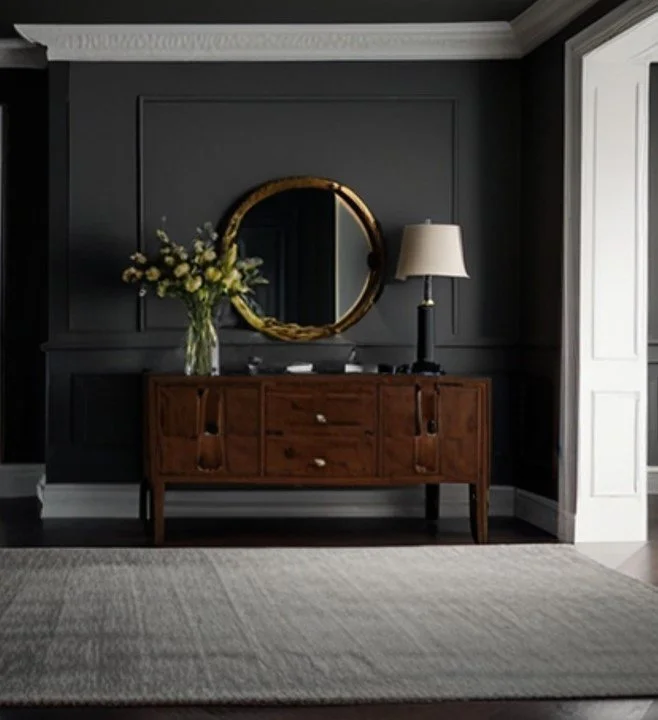
Size: Go bigger than you think. A 24x36 inch mirror minimum. In dark spaces, small mirrors don't create enough reflective surface to matter.
Other Reflective Items
Glossy paint on walls or ceiling: Eggshell or satin finish instead of matte bounces more light
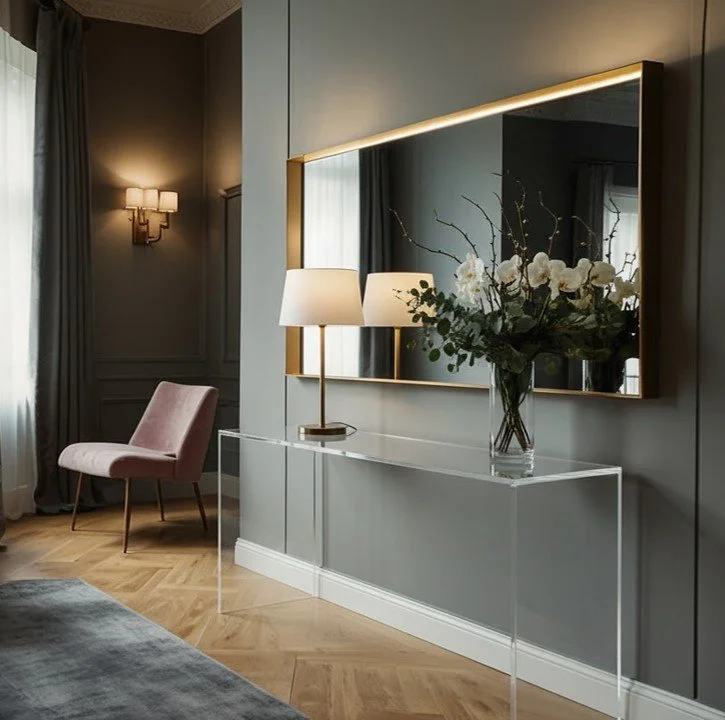
Glass or lucite console table: Light passes through instead of stopping at an opaque surface
Metallic accents: Brass hooks, chrome picture frames, or a metallic tray catch and reflect light
Light-colored flooring or rug: Dark floors absorb light; light floors (or a light rug) reflect it upward
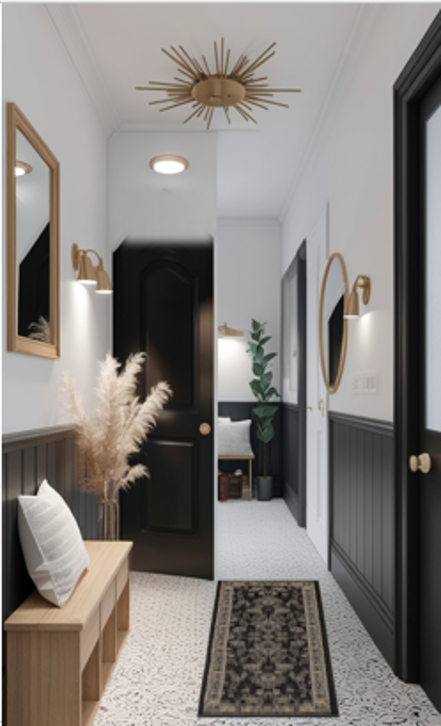
Here’s an actual client project for a very dark, awkward entry way.
I leaned into the “dark” vibe by papering the walls with a lovely blue textured wallpaper. (Yes, dark already but the wallpaper was gorgeous!)
I countered the low light by installing two small track lights on the ceiling. (This is an 80’s and 90’s ceiling light staple and they work wonders for dark spaces.) The track lights can be directed independently. So, position one toward the dark corners, position another to highlight art or wall décor or furniture.
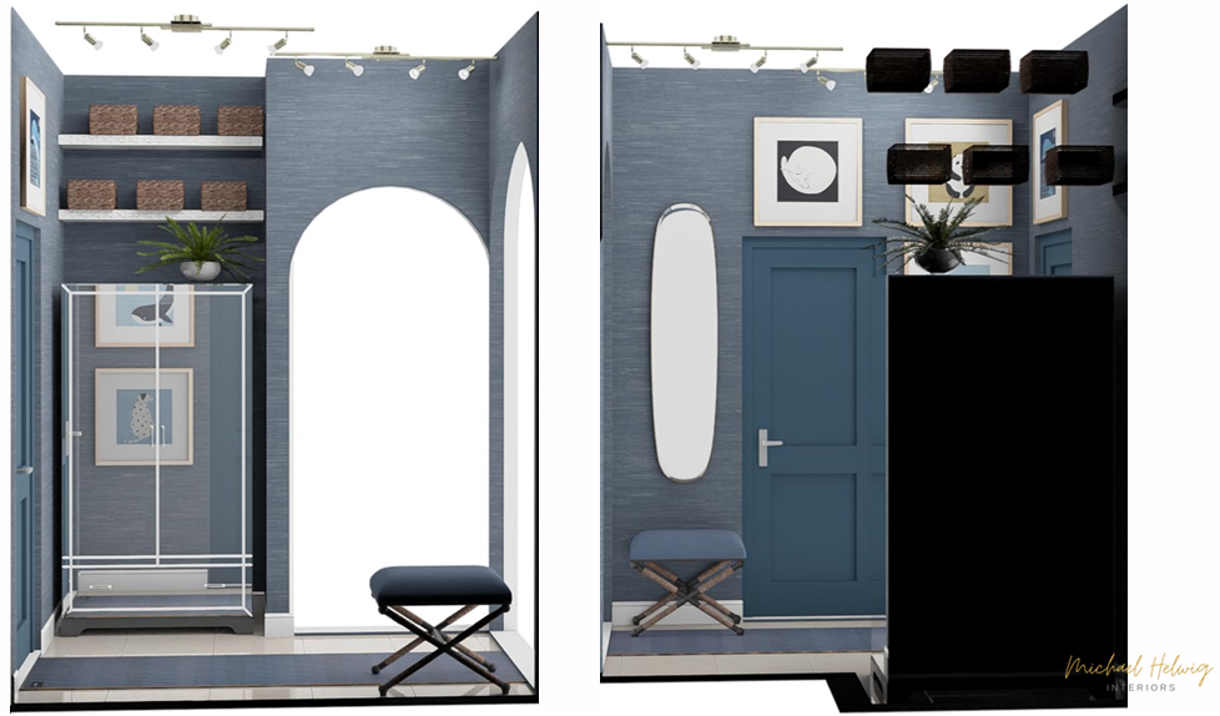
Speaking of furniture, I used a mirrored armoire as I coat closet in a small, recessed niche. This added a ton of usable storage and best of all, the mirrored exterior reflects light at eye level to amplify the light in the small space. (This is another way to add eye-level accent lighting.)
As you can see on the opposite side, I placed another long oval shaped full-length mirror to capture even more light and to add a bit of functional reflection to the space as well.
Minimize Awkwardness by Creating Intentional Flow Paths
Awkward entryways usually have one of three flow problems: the door opens into a wall, there's a weird obstacle (column, half-wall, closet door), or the path from door to the rest of the house isn't immediately obvious.
You can't always move walls, but you can use furniture placement and visual cues to create a clear path that feels more natural.
Problem: Door Opens into a Wall
The awkwardness: You open the door and immediately face a wall. It feels like you walked into the wrong room.
The fix: Make that wall interesting. Hang a compelling piece of art at eye level. Add a narrow console table with a lamp if there's space (18 inches deep max).
What this does: It gives people something to look AT instead of feeling like they hit a dead end. The art creates a focal point. The table adds purpose and functionality, a place to set things down. Either one says 'this is intentional' instead of 'this is awkward.'

Problem: Weird Obstacle in the Middle (Column, Half-Wall, Closet Door)
The awkwardness: There's a structural element that interrupts the natural flow from door to interior.
The fix: Don't fight it—use it as a natural divider. If there's a column, place a narrow console or bench on the open side to create a 'drop zone.' If there's a half-wall, put hooks or a small shelf on the entryway side so it serves a function.
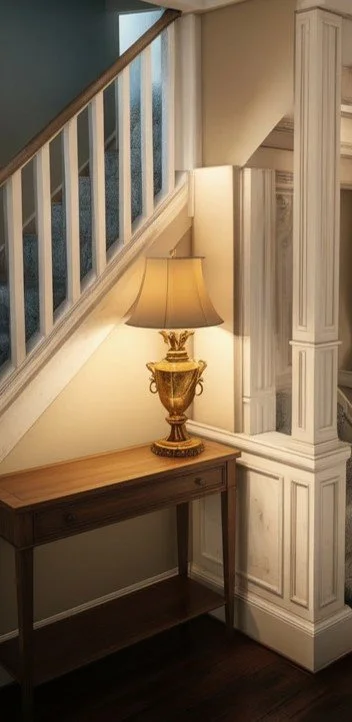
What this does: Obstacles feel less awkward when they're doing something useful. A column becomes a visual anchor. A half-wall becomes a functional divider.
Problem: Path to Interior Isn't Obvious
The awkwardness: You walk in and don't immediately know which direction to go. Multiple doorways, hallways branching off, no clear 'main path.'
The fix: Use a runner rug to create a visual path. Place it from the entry door toward the main living space. The rug literally shows people where to walk.
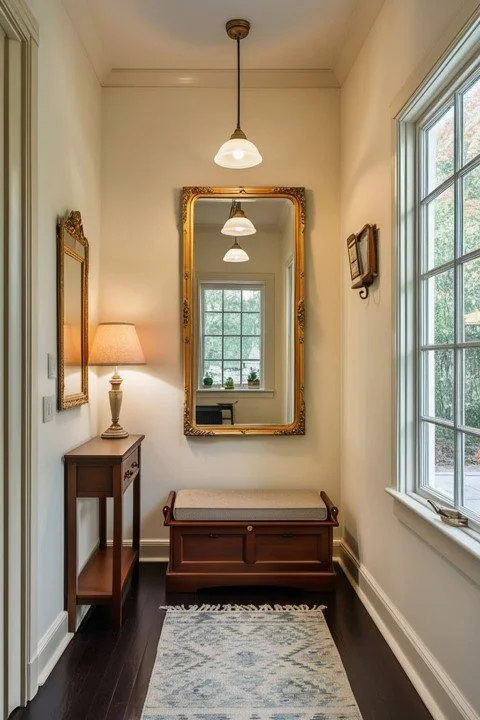
What this does: Rugs guide movement without words. A 2.5 or 3-foot-wide runner creates a clear lane that says 'go this way.'
Flow isn't just about function—it's about confidence. When people know where to go, the space feels less awkward. When they hesitate, awkwardness amplifies.
Build Function into the Awkward Layout with a Compact Drop Zone
Awkward entryways often lack obvious places to put things—keys, bags, coats, shoes. Without designated spots, stuff piles up wherever there's surface area, which makes the awkwardness worse.
The solution: Create a minimal drop zone that works with the awkward layout instead of fighting it.
If You Have Wall Space (Even 12-18 Inches)
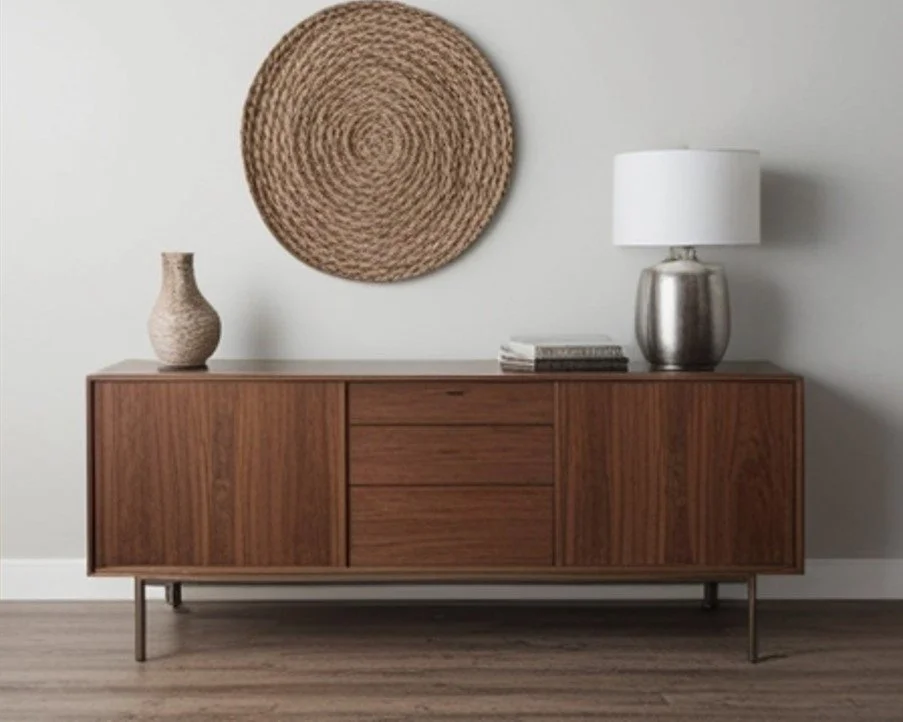
Narrow console table: 10-12 inches deep. Top holds keys/mail. Underneath holds basket for shoes.
Hooks above console: 3-4 individual hooks, not a coat rack. Hang at 60 inches from floor. Use for bags, light jackets, scarves.
Slim tray on console: Corrals keys, sunglasses, wallet—everything you grab on the way out.
If You Have NO Wall Space (Truly Tight)
Over-door hooks: Hang on the entry door itself (inside). Holds bags, keys on a lanyard, dog leash.
Floating shelf: 10-12 inches deep, mounted 48 inches from floor. Just big enough for keys and a small basket.
Boot tray on floor: Slim rubber or metal tray (2 feet long max). Keeps shoes contained and off the floor.
The point isn't to cram in furniture. It's to give every daily-use item one specific home. Keys go here. Shoes go there. Coat hangs here. No decisions, no piles.
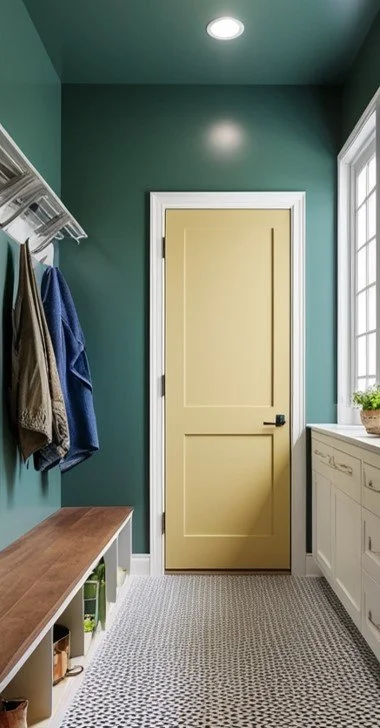
Use Color Strategically to Counteract Darkness
The instinct in dark spaces is to go all-white to maximize brightness. But white walls in dark entryways can look dingy because there's not enough light to make white look crisp.
Here's the smarter approach: Use warm, light colors that read as bright but don't show every shadow.
Wall Color Strategy
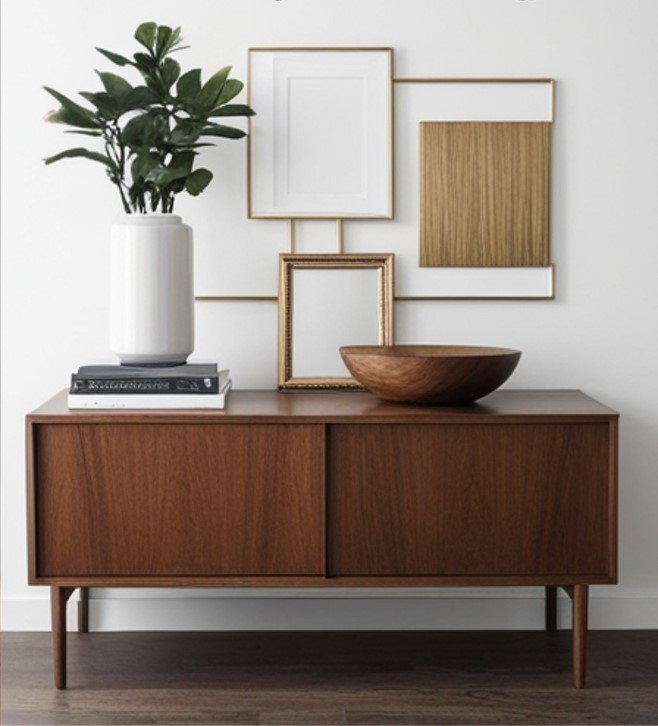
If you can paint: Choose warm whites, soft creams, or pale warm grays (greige). These reflect light without the stark harshness of pure white and don't show shadows as much.
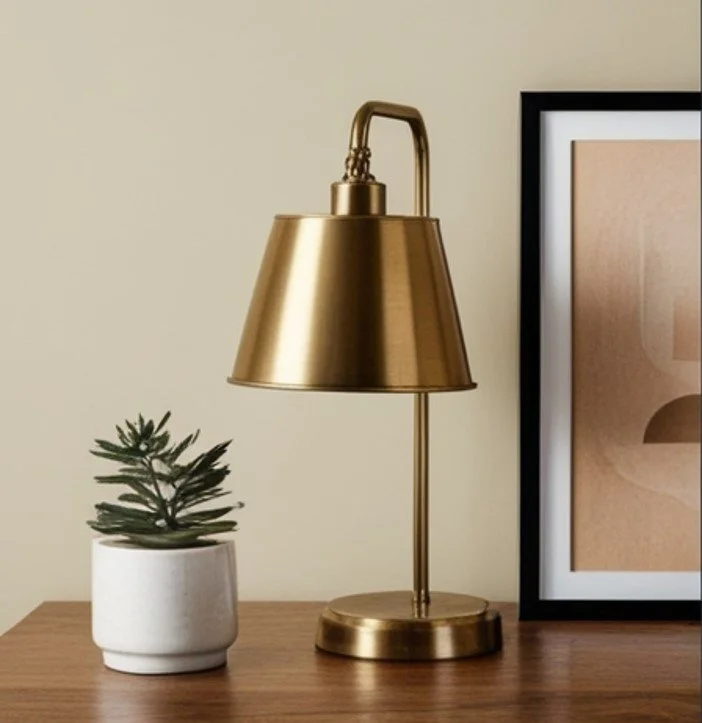
If you can't paint: Use light-colored art, a large light-toned mirror, or peel-and-stick wallpaper in a soft pattern to cover the darkest wall.
The Ceiling Trick
If the ceiling is dark or shadowy, paint it lighter than the walls (or if renting, ignore this—not worth the fight with landlords). A light ceiling reflects overhead light back down and makes the whole entryway feel taller and brighter.
Don't Shrink Everything—Use Properly Scaled Pieces
The mistake in awkward entryways is using furniture that's too small. Tiny console, short mirror, small rug. The thinking is 'small space = small furniture,' but that makes everything look dinky.
Instead, use fewer pieces at proper scale:
One good-sized mirror (30x40 inches) instead of three small ones
One substantial piece of art (24x36 inches) instead of a gallery wall
One console table at proper height (32-36 inches tall) instead of a short bench
One runner rug that's actually long enough (covers the walkable path, not just 3 feet)
Proper scale makes awkward spaces feel designed. Undersized furniture makes them feel like you're tiptoeing around the problem.
What a Transformed Dark, Awkward Entryway Actually Looks Like
You walk in. The overhead light is on, but so is a table lamp on the console and a subtle glow from under the furniture. The space feels lit, not just bright.
There's a large mirror on the wall reflecting light back. A runner rug guides you from the door toward the living room. Hooks hold your coat and bag. A tray on the console holds your keys.
The walls are warm cream. One piece of art adds color. Everything is the right size—not shrunk down to apologize for the awkward layout.
It's still a dark, awkward entryway. But it feels a lot more intentional, welcoming. Like you designed it this way on purpose.
Start Here This Weekend
You can't fix everything at once. Pick three of these changes to start:
1. Add layered lighting (table lamp or plug-in sconce if you don't have one)
2. Hang a properly sized mirror on the most strategic wall
3. Create a drop zone (hooks + tray minimum)
Those three changes—lighting, reflection, and function—will make the biggest difference in how your dark, awkward entryway feels.
What's the most awkward thing about your entryway? Has it been a tricky thing to fix? If you haven’t been able to, would one of these ideas help? Either way, let me know in the comments below.

Making Awkward Layouts Work: The Curated Eclectic Approach to Decorating Tricky Spaces
Transform tricky room layouts with curated eclectic decorating. Master the bridge strategy to connect different styles through color, finish, and texture repetition. Measure your space, find your North Star piece, and create cohesive rooms that reflect your personality.
Michael is Principal designer and blogger at Michael Helwig Interiors in beautiful Buffalo, New York. Since 2011, he’s a space planning expert, offering online interior e-design services for folks living in small homes, or for those with awkward and tricky layouts. He’s a frequent expert contributor to many National media publications and news outlets on topics related to decorating, interior design, diy projects, and more. Michael happily shares his experience to help folks avoid expensive mistakes and decorating disappointments. You can follow him on Pinterest, Instagram and Facebook @interiorsmh.