Designing a kid's room is fun, I'll give you that. It's one of the few spaces where you can be bold with color and pattern without anyone questioning your choices.
But here's the thing: kids change their minds constantly, right? One month they're obsessed with dinosaurs, the next it's outer space, and by summer they've moved on to something else entirely.
That's where peel and stick wallpaper comes in. And I'm not talking about it because it's trendy - I'm talking about it because it solves a real problem.
Traditional wallpaper is a commitment. So are painted murals. They're expensive, they take time, and when your kid decides they're "too old" for whatever's on the wall, you're stuck either living with it or spending money and effort to redo it. Peel and stick wallpaper is removable, which means you can change it when they're ready for something new. No wall damage, no scraping, no regrets.
It's also great if you're renting, because you can take it down when you move without losing your security deposit.
What Makes Peel and Stick Different
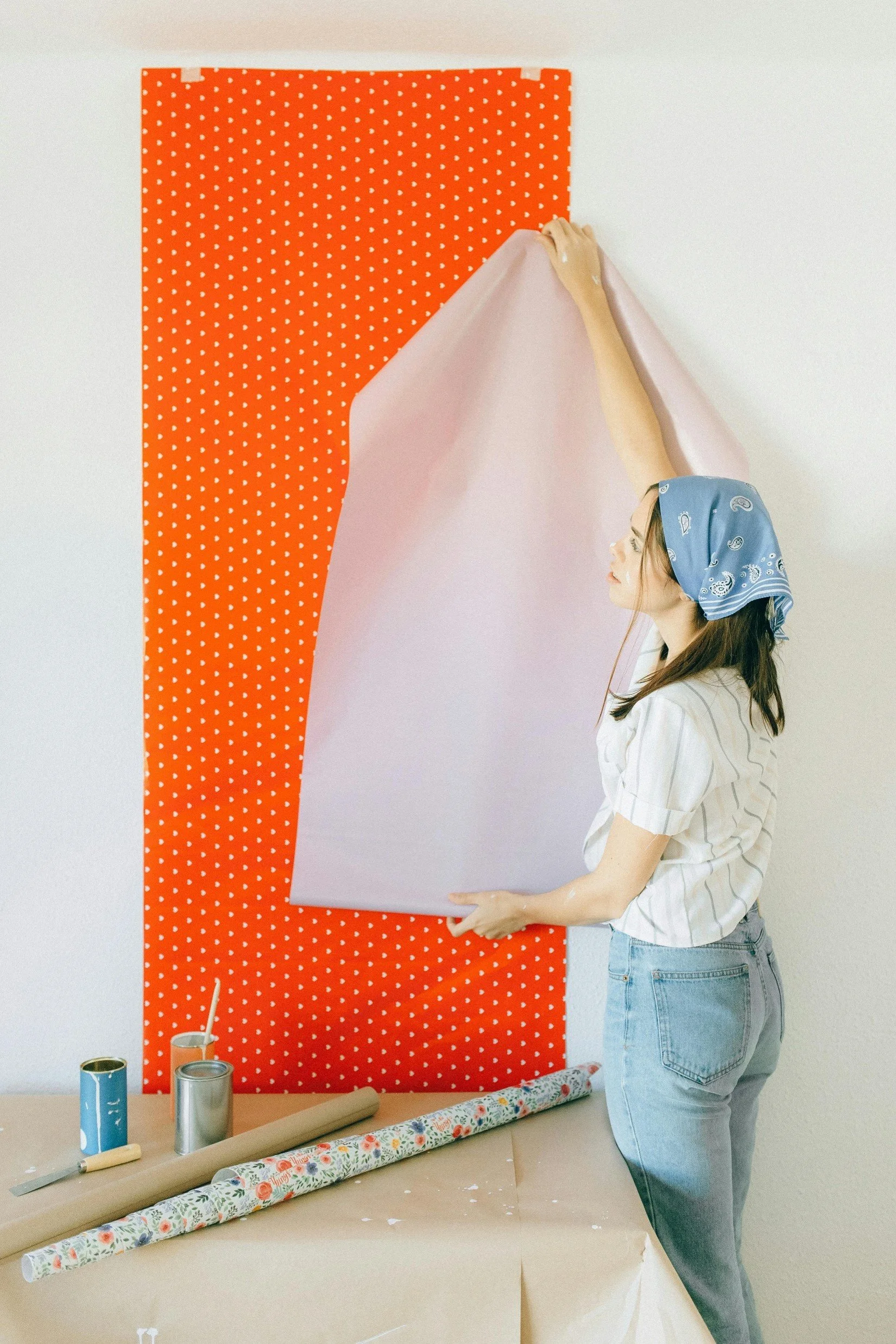
Let's be clear about what we're working with here. Peel and stick wallpaper is exactly what it sounds like: wallpaper with adhesive backing that you peel off and apply directly to the wall. You don't need paste, you don't need a professional installer, and if you mess it up, you can pull it off and reposition it.
It's not perfect for every situation - if your walls are textured or damaged, it won't adhere as well. But for smooth, clean walls, it works great!
Nataliya Vaitkevich
The other thing I like about it is that you're not locked into one design forever. Kids outgrow things fast, and this gives you the flexibility to update the room as they grow without replacing all the furniture or repainting.
Tip: On that note, if you want to remove peel and stick wallpaper, don’t just start ripping it off the wall because that can cause damage. Nobody wants to spend extra days patching drywall, right? Instead, use your hair dryer to warm the paper’s adhesive while gently pulling it off the wall. It should come off pretty easily without sticky residue left behind.
Picking Wallpaper That Won't Feel Dated in Two Years
This is where a lot of parents get it wrong. They pick something that's cute right now but won't age well. A wallpaper covered in baby animals might be adorable for a nursery, but it's going to feel too young once your kid is in preschool.
Instead, look for patterns that have some staying power. Things like stars, trees, geometric shapes, or simple stripes can work from toddler years all the way through elementary school.
Ansar Muhammad
You want something that reflects their personality without being so specific that it has a short shelf life, make sense?
Think about your kid's temperament too. If they're high-energy, they might love bold colors and busy patterns. If they're calmer, softer tones and simpler illustrations will make the room feel more peaceful. There's no right answer here - it's about what fits them, not what looks good in a catalog.
achraf borkadi
Also, consider the color palette. You don't want to pick wallpaper that clashes with everything you already own. If their furniture is mostly wood tones and neutrals, you have more flexibility. If you've already got colorful bedding and toys, choose wallpaper that complements what's already there instead of competing with it. (This is decorating 101. It’s always easier to use what you have and already LOVE in any space as ispo for the rest of the room. That way everything matches and looks great from the start.)
And here's something people don't think about enough: lighting. If the room gets a lot of natural light, you can get away with darker wallpaper. But if it's a small or dim room, lighter backgrounds will make the space feel bigger and brighter.
Current Wallpaper Styles That Actually Look Good
Kids room wallpaper has come a long way. And, kids also really like “sophisticated” stuff, just like grown-ups do. It's not all cartoon characters and primary colors anymore. There are some really well-designed options out there that look stylish without being too "baby."
Max Vakhtbovycn
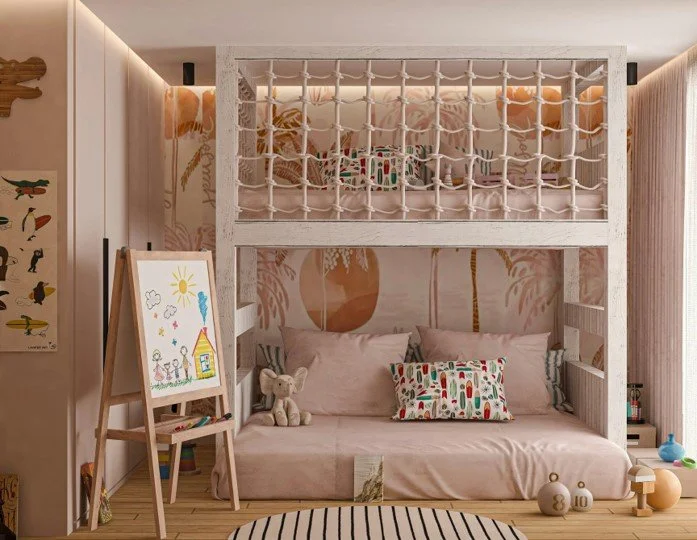
Nature and forest themes are popular right now - things like woodland animals, leaves, and soft greens. They create a calm, cozy vibe without feeling overly cutesy.
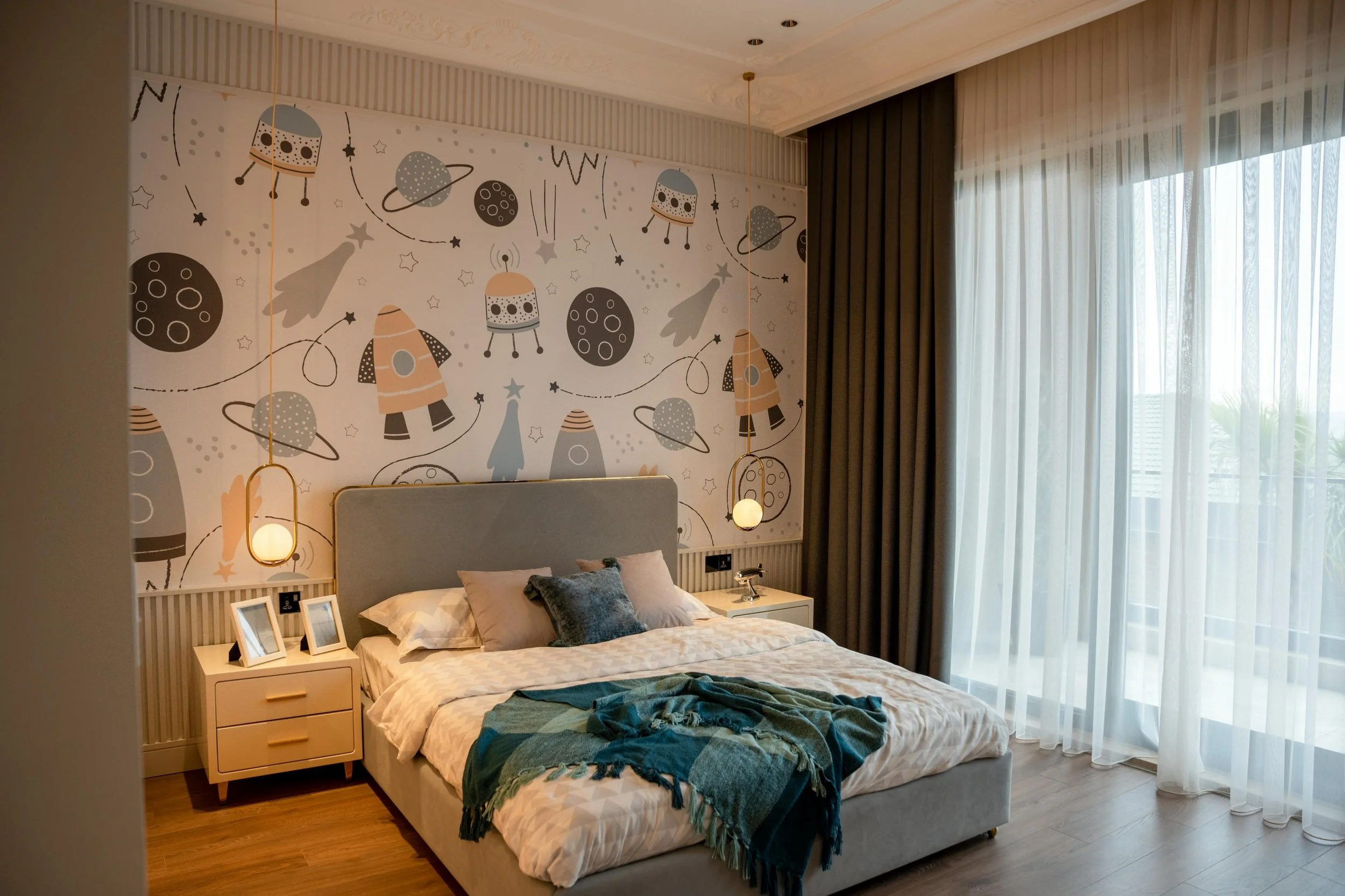
Space and galaxy prints are another solid choice, especially for kids who are into science or just like looking at stars. Planets, rockets, constellations - it's a theme that can grow with them.
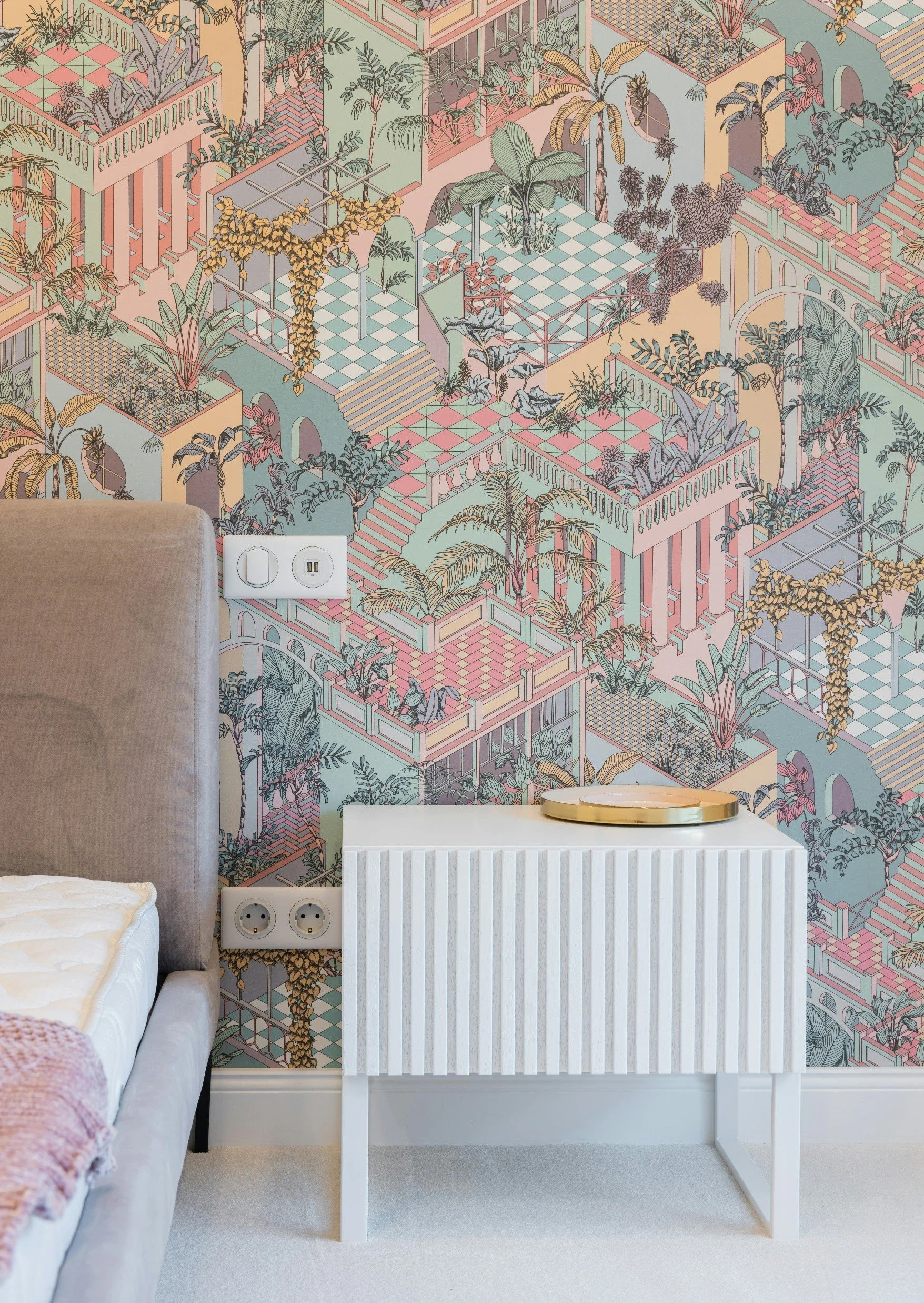
Soft pastels are having a moment too. Arches, rainbows, clouds, abstract shapes. These work well if you want something gentle and dreamlike.
Educational prints can be smart if done right. Maps, alphabets, numbers, simple shapes. They add visual interest and give kids something to look at and learn from.
And then there are whimsical characters and hand-drawn patterns. Friendly animals illustrated scenes - things that have charm without being overly babyish.
The key with all of these is that they're easy to swap when your kid's interests change. That's the whole point.
You Don't Have to Wallpaper the Entire Room
Here's something I tell people all the time: you don't need to cover every wall to make an impact. In fact, sometimes less is more.
A focal wall behind the bed or in the play area can set the tone for the whole room. This is where you can go bold - a jungle scene, a galaxy, geometric patterns. It becomes the focal point without overwhelming the space.
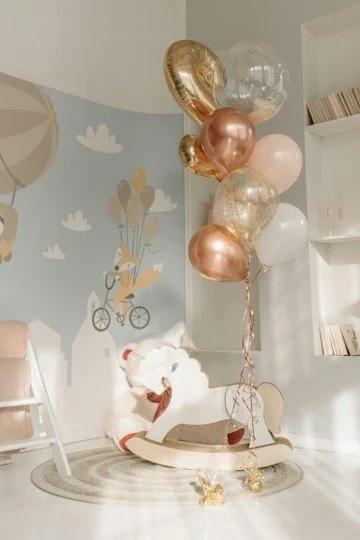
Pavel Danilyuk
You can also wallpaper the ceiling, which kids love (some adults too, for that matter.) Stars, clouds, soft patterns - it adds a little magic to the room, especially if they spend time lying in bed looking up.
Another option is to use peel and stick wallpaper on furniture. Dressers, bookshelves, closet doors, toy organizers - it's a cheap way to refresh old pieces without buying new ones. Just make sure the surface is smooth and clean before you apply it.
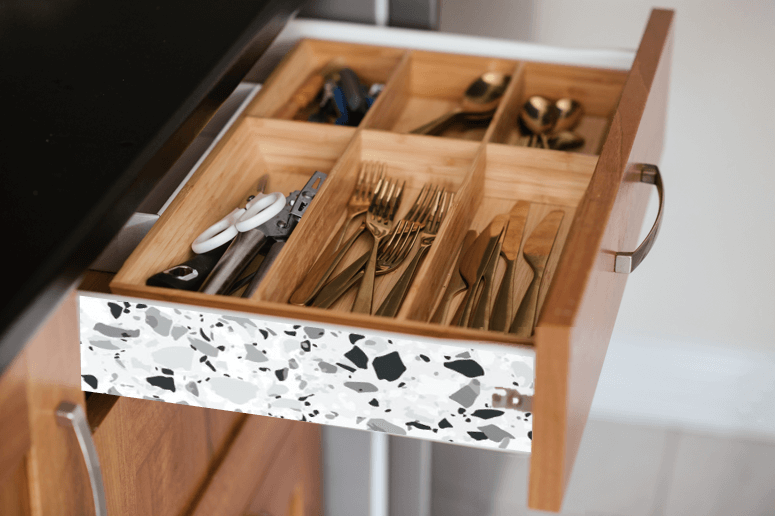
If you want to get creative, you can frame small sections of wallpaper and hang them as art. It's simple, it's removable, and you can change it out whenever you want.
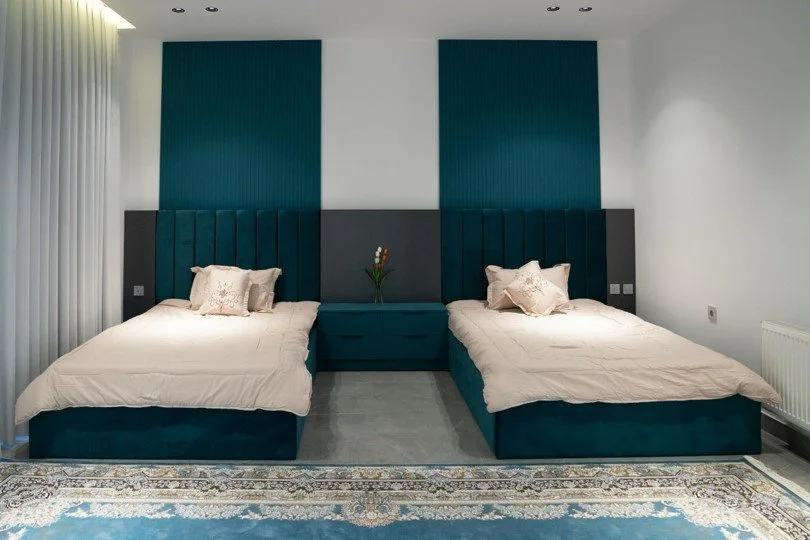
And if siblings are sharing a room, different wallpaper patterns can help define each kid's personal space. It gives them a sense of ownership over their area without needing a physical divider.
Ansar Muhammad
How to Actually Apply It Without Messing Up
Even though peel and stick wallpaper is designed to be beginner-friendly, there are a few things that will make the process smoother.
First, clean your walls. Dust and dirt will prevent the wallpaper from sticking properly, so wipe them down and let them dry completely.
Measure carefully. It's better to cut slightly more than you need - you can always trim the excess.
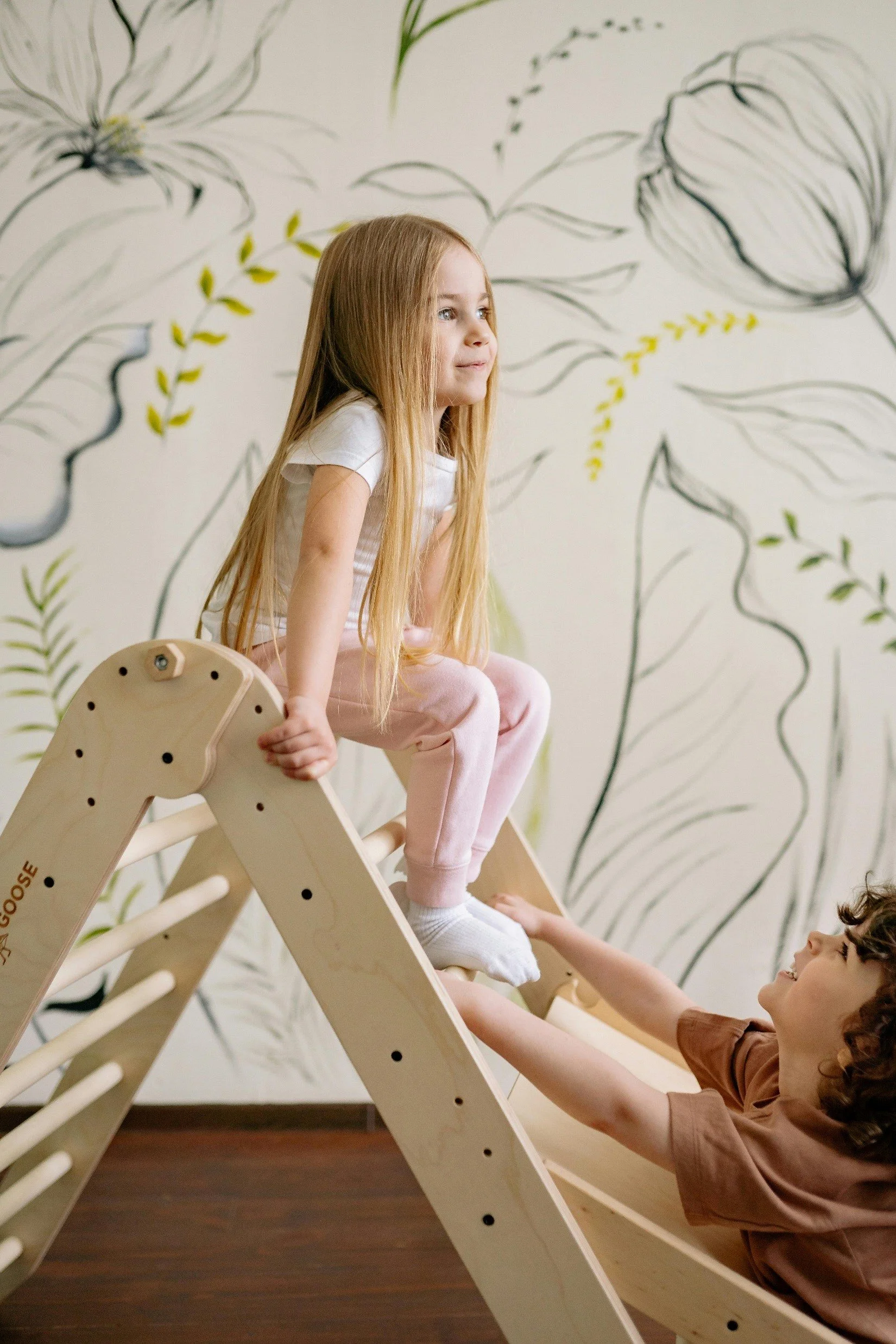
Start from the top and peel a little bit at a time. Don't pull the entire backing off at once. Press the wallpaper down as you go, smoothing out air bubbles with a soft cloth or a smoothing tool, like a rubber spatula or old credit card. (Don’t use any tool with a sharp edge that could damage the paper.)
Yan Krukau
If your wallpaper has a pattern, make sure the edges line up. This is where taking your time matters. Misaligned patterns or wonky seams will look obvious.
Trim the extra at the ceiling and baseboards with a sharp blade. A dull blade will tear the wallpaper instead of cutting it cleanly.
The nice thing about peel and stick wallpaper is that if you make a mistake, you can pull it off and reposition it. It's forgiving, which is why it's a good option for DIYers.
Finishing the Room
Once the wallpaper is up, you'll want to bring the rest of the room together. This doesn't mean you need to buy all new stuff - it's more about making sure everything works together.
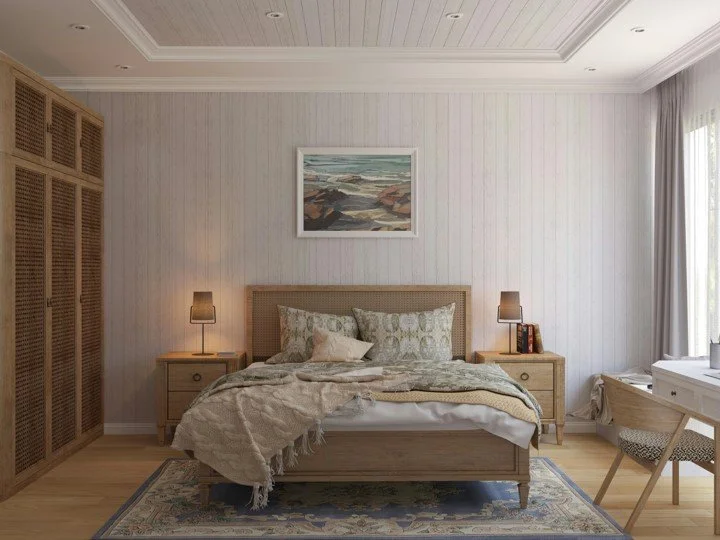
Đức Đào
A soft rug or play mat anchors the space. If you can, choose one that coordinates with the wallpaper colors.
Bedding that complements the wallpaper ties the room together without being match-matchy. You want cohesion, not a theme park.
Storage is always important in kids rooms. Bins, baskets, shelves - anything that keeps toys and books organized. Choose colors that fit the overall palette.
A small reading nook with a few shelves and a comfy spot to sit makes the room more functional. Kids need a place to wind down, not just play.
Night lights, LED stars, or fun lamps add a little personality. Just keep it simple - you don't need a dozen light-up decorations.
Wall shelves can hold toys, books, or small decor. Make sure they're securely mounted and at a height your kid can reach if you want them to use the space independently.
The Bottom Line
A kids room should work for them, not just look good in photos. Peel and stick wallpaper gives you flexibility - you can change it as they grow, and you're not stuck with a design that felt right three years ago but doesn't anymore.
It's affordable, it's removable, and it's something you can do yourself without hiring help. Whether you're setting up a nursery or updating a room for an older kid, it's a practical solution that doesn't require a huge commitment.

Pavel Danilyuk
The key is choosing something that fits their personality, works with the space you have, and won't feel dated too quickly.
Remember, take your time with it, measure carefully, and don't be afraid to go bold where it makes sense.
Now it's your turn. Have you used peel and stick wallpaper in your kid's room? What worked and what didn't? Let me know in the comments.
Read Next:

5 Smart Ways to Make a Small Kitchen Feel Bigger and More Beautiful
Got some little kitchen troubles? Here’s 5 real-world ways to make a small kitchen feel stylish, spacious, and functional—even under 100 sq ft. No knocking down walls required!

Eileen Lamb
Michael is Principal designer and blogger at Michael Helwig Interiors in beautiful Buffalo, New York. Since 2011, he’s a space planning expert, offering online interior e-design services for folks living in small homes, or for those with awkward and tricky layouts. He’s a frequent expert contributor to many National media publications and news outlets on topics related to decorating, interior design, diy projects, and more. Michael happily shares his experience to help folks avoid expensive mistakes and decorating disappointments. You can follow him on Pinterest, Instagram and Facebook @interiorsmh.