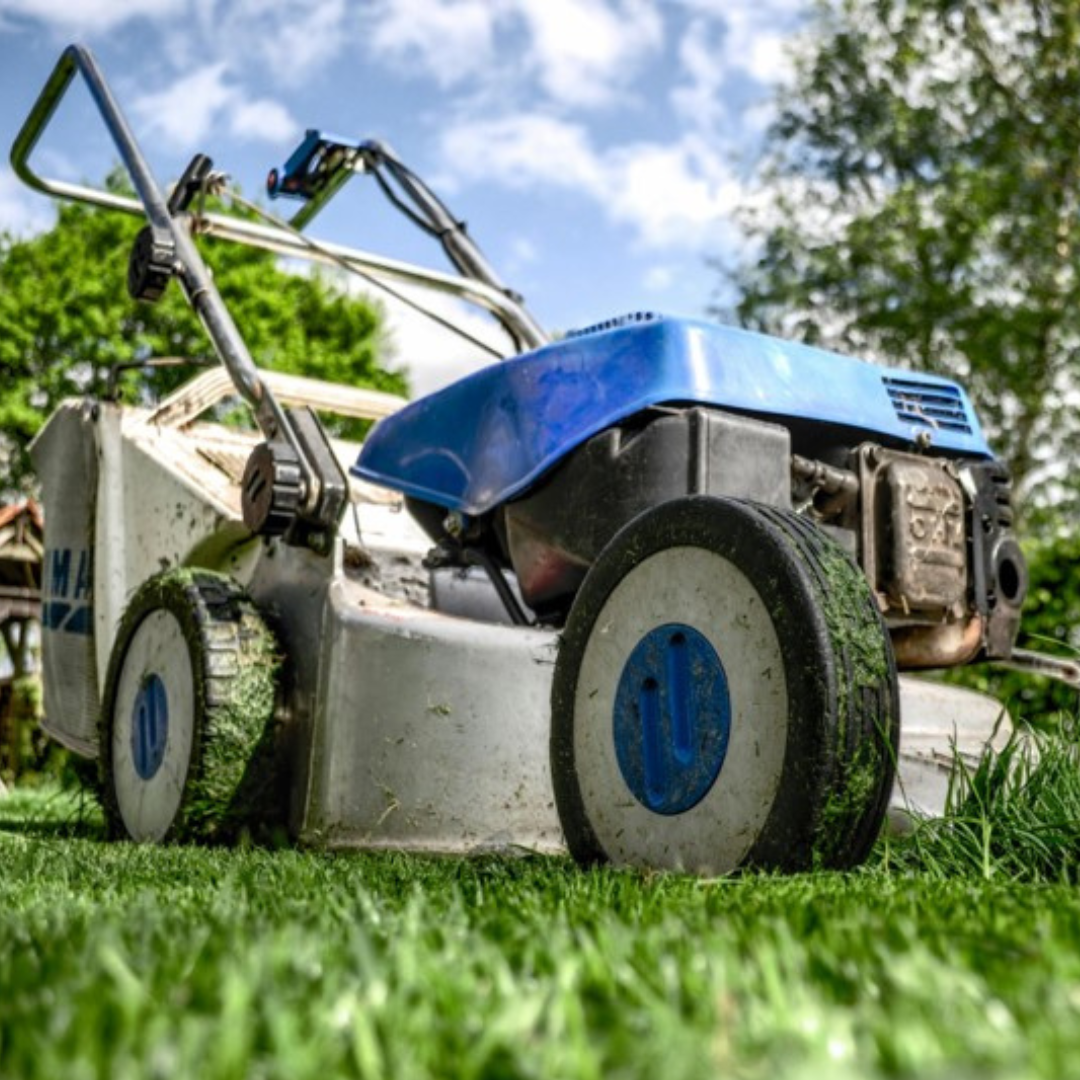
You've invested good money in your lawn equipment, and the last thing you want is to shell out hundreds for repairs that could've been avoided with a little TLC, am I right?
That’s why taking care of your mower, trimmer, and other tools isn't just about being responsible (though your future self will thank you). It's about being smart with your money and making sure your weekend lawn care actually gets done instead of turning into a frustrating equipment breakdown.
So, let’s get into the stuff that actually matters. No fluff, just the maintenance moves that'll keep your equipment humming and your wallet happy.
Check Those Belts Before They Check Out on You
Here's what I've learned the hard way: that little belt under your mower deck is doing some serious heavy lifting. When it starts to stretch, crack, or fray, you're not just looking at poor cutting—you're looking at your engine working overtime and other parts taking a beating.
Gustavo Fring
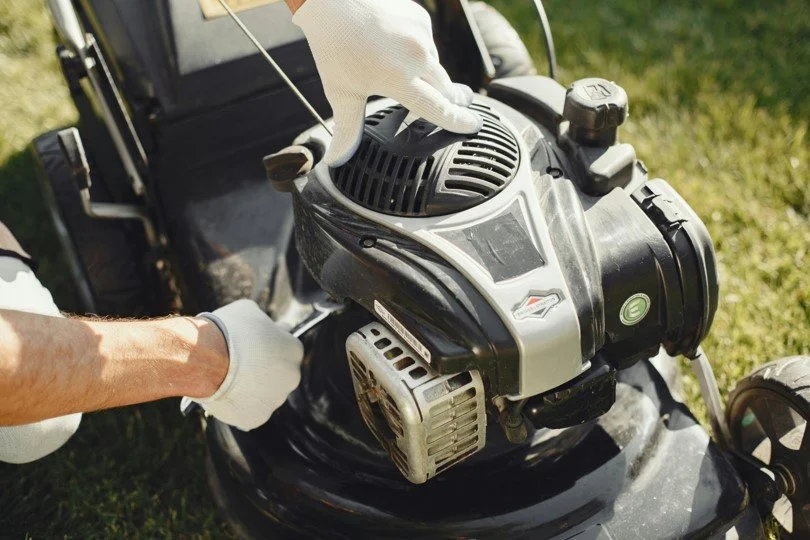
Get into the habit of checking your replacement lawn mower deck belt regularly. I'm talking about actually looking at it, not just hoping it's fine. You'll spot the warning signs early: cracks that look like spider webs, fraying edges, or that telltale looseness that means it's stretched beyond its happy place.
Catching it early and swapping it out? That's a $20-30 fix. Waiting until it snaps and damages other components? Yeah, that's when you're looking at a repair bill that'll make you wince.
Keep Those Blades Sharp (Your Grass Will Thank You)
Nothing says "amateur hour" like a lawn that looks like it was attacked rather than mowed. Dull blades don't cut grass—they tear it, leaving those brown, ragged edges that make your whole yard look rough around the edges.
Michael Kahn
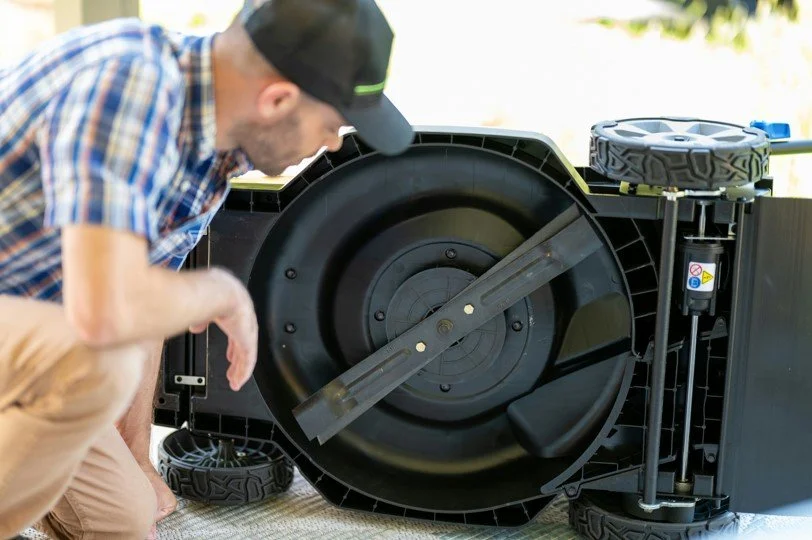
Here's my routine: I check my blades at the start of each season and again mid-summer. Look for nicks, chips, or that rounded edge that screams "time for a sharpening." A sharp blade paired with a properly functioning mower deck belt means your mower isn't fighting itself to get the job done. Less vibration, cleaner cuts, and an engine that doesn't have to work as hard? That's what I call a win-win-win.
Engine Care That Actually Makes Sense
Let's cut through the mystery around engine maintenance. Your mower's engine is pretty straightforward—it needs clean oil, clean air, and a spark plug that actually sparks. That's it.
Tekton
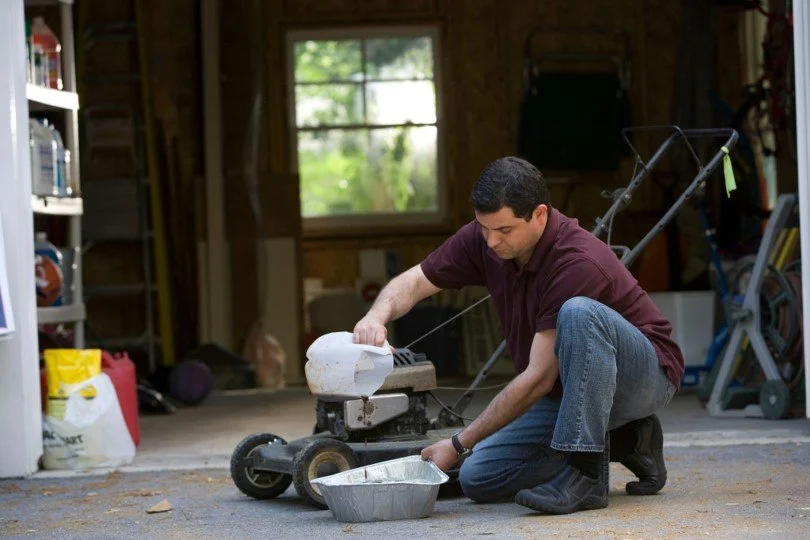
I change my oil at the beginning of each season (or every 50 hours, whichever comes first). It takes 15 minutes and costs about $10. Compare that to engine replacement costs, and suddenly that oil change doesn't seem like such a hassle, right?
Same goes for the air filter—a $5 part that keeps dirt from grinding up your engine internals. And that spark plug? Clean it or replace it yearly. These small moves keep everything running smooth and reduce the strain on parts.
The Cleaning Routine That Prevents Big Problems
I know, I know—nobody gets excited about cleaning grass clippings off the mower deck. But here's why it matters: all that buildup creates friction, makes your engine work harder, and can actually cause parts to wear out faster.
CDC
After every few uses, I flip that mower and scrape off the buildup. While I'm at it, I check moving parts and add a little lubricant where needed. The whole process takes maybe 10 minutes, but it keeps everything spinning freely.
Don't Sleep on the Basics: Tires and Steering
Here's something a lot of people miss—your tires and steering affect way more than just how easy your mower is to push around.

Vaan Photography
Uneven tire pressure or worn treads can cause uneven cuts, which means you're either re-mowing sections or living with a lawn that looks patchy.
I check tire pressure monthly (yeah, mower tires need air too, I’m talking the riding mowers here) and inspect for cracks or worn spots. If the steering feels loose or the mower pulls to one side, I address it right away. That means when everything's aligned and rolling smooth, your lawn mower can work as designed instead of compensating for wonky wheels.
Storage That Sets You Up for Success
End-of-season storage isn't just about finding space in the garage. How you put your equipment away determines how well it starts next spring.

Gustavo Fring
Before I store anything for the winter, I clean it thoroughly, check all the key components, and make sure it's dry. I also run the engine until the gas is gone or add stabilizer if I'm keeping fuel in the tank. Moisture and old gas are equipment killers, but a little prep work prevents those expensive spring surprises.
Create a Simple System That Works
Here's what I've learned after years of maintaining my own equipment: if you don't have a system, maintenance doesn't happen.

iSawRed
I keep a simple log—nothing fancy, just dates when I changed oil, replaced belts, sharpened blades, and checked filters. I keep this log in my garage so it’s right by all my equipment and that way I can update it whenever I need to.
This isn't about being obsessive; it's about being smart. When you can see patterns (like how often you actually need to replace that lawn mower deck belt), you can plan ahead and catch problems before they turn into expensive repairs.
The Bottom Line
If you’re here in the Western hemisphere, you know we’re heading into winter, so now’s the perfect time to give your lawn equipment a good look over. Taking care of your lawn equipment isn't complicated, but it does require being intentional about it. Focus on the stuff that matters most—belts, blades, engine basics, and keeping things clean. A little attention throughout the season beats a big repair bill every time.
Your equipment is an investment in your property, and like any investment, it performs better when it's properly maintained. Plus, there's something satisfying about knowing your mower will fire up on the first pull because you've taken care of it. That's the kind of reliability that makes weekend lawn care actually enjoyable instead of a source of stress.
Trust me on this—your future self (and your wallet) will thank you for the small effort you put in now.
Read Next:

DIY Garage Storage Ideas: Maximize Space and Organize Your Workshop
Looking to tame your cluttered garage? Check out these easy tips for organizing your space with wall-mounted caddies, ceiling storage, and smart shelving solutions. From DIY hacks to clever storage ideas, we’ve got everything you need to turn your garage into a tidy, efficient workspace. Say goodbye to clutter and hello to a garage you’ll love!
Michael is Principal designer and blogger at Michael Helwig Interiors in beautiful Buffalo, New York. Since 2011, he’s a space planning expert, offering online interior e-design services for folks living in small homes, or for those with awkward and tricky layouts. He’s a frequent expert contributor to many National media publications and news outlets on topics related to decorating, interior design, diy projects, and more. Michael happily shares his experience to help folks avoid expensive mistakes and decorating disappointments. You can follow him on Pinterest, Instagram and Facebook @interiorsmh.