You love your little house—but something about it feels a little too new. A little too boxy, a little too sterile, and not quite as warm and interesting as those charming older homes you’ve always admired.
Maybe you dream of creaky wood floors, quirky built-ins, and a cozy sense of history, but what you’ve got is drywall, beige carpet, and a layout that could belong to a dozen other homes on your street.
Don’t worry. You don’t have to knock down walls or move into a 1920s bungalow to get that nostalgic, layered charm you’re craving. You can work with the bones you’ve got—and layer in character, texture, and warmth that make your space feel like it’s grown into itself over time.
Whether you're in a newer condo, townhome, patio home, or builder-basic house, these ideas will help you add soul and story to your space—without needing a total reno.
1. Choose Paint Colors That Whisper, Not Shout
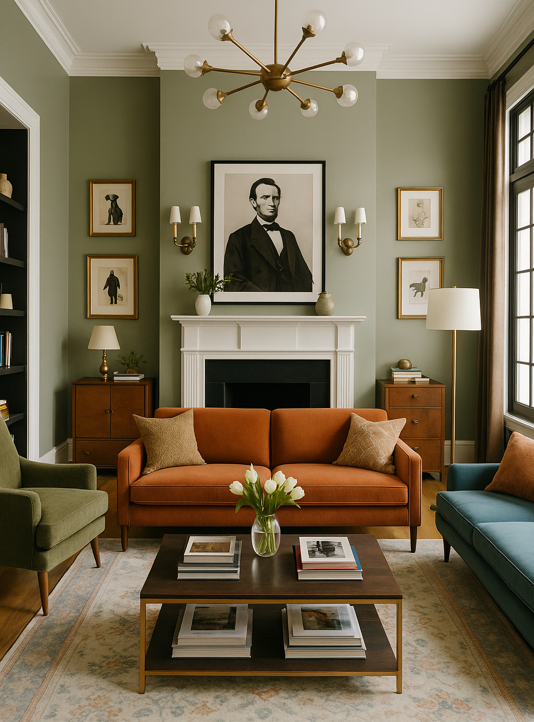
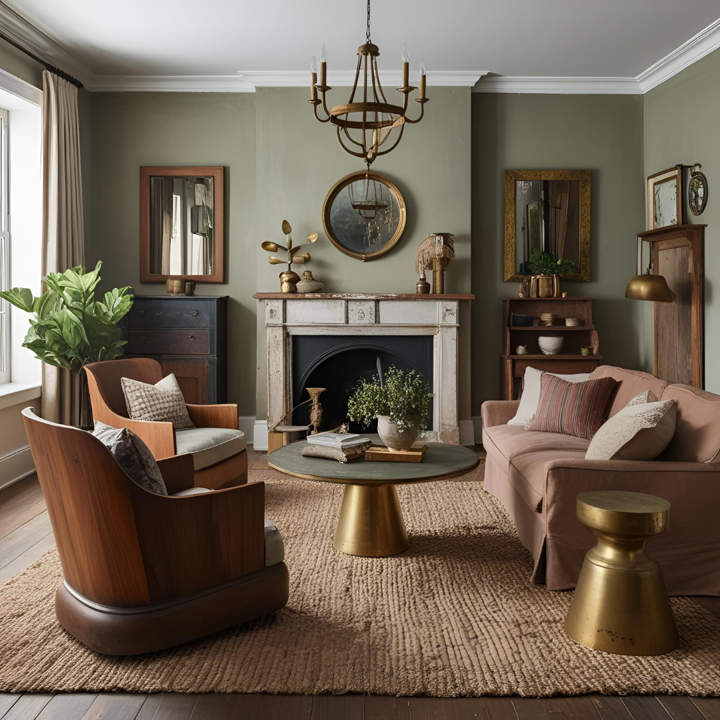
Old homes usually have softer, quieter walls—like faded grays, buttery creams, and dusty greens that feel lived-in. You can get that same depth with the right paint colors, especially if you avoid stark whites or ultra-brights.

Consider warm whites with a hint of beige, greige, or even a smudge of green or gray. Think "weathered parchment" instead of "fresh printer paper." These tend to look a tad bit dingy, in the best vintage way.
If you love color, go for shades with muted undertones: dusty blues, olive-y greens, or muddy mauves. These colors feel like they’ve been around for a while—they feel nostalgic and warm.
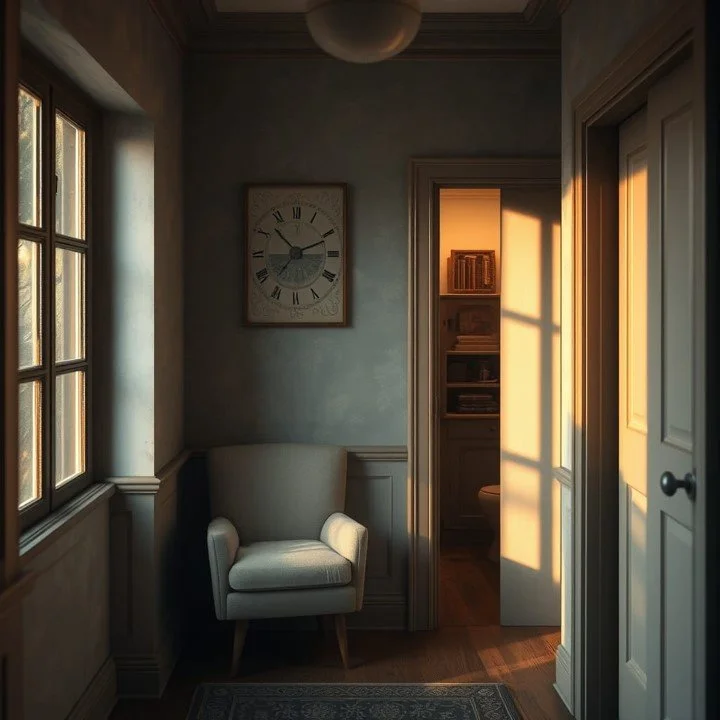
Bonus tip: Paint your trim and doors something other than standard white. A soft taupe or warm mushroom shade on baseboards or door frames instantly reads older and more custom.
2. Add Architectural Interest with Trim, Molding, and Millwork
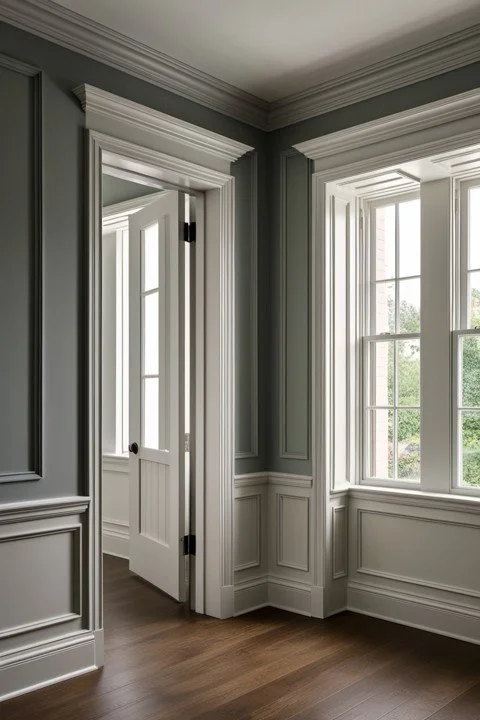
New homes often skip the little details that give older ones so much personality. But you can fake the look with a few smart upgrades:
Install picture frame molding or board-and-batten in hallways or dining areas.
Add crown molding to elevate the ceiling line and make rooms feel more finished.
Frame your windows with chunky trim or apron-style sills for depth.
Even simple, inexpensive trim can transform a room when painted in the same tone as the wall—or in a slightly darker, dustier contrast color for an old-English feel.
3. Layer in Vintage or Vintage-Style Hardware
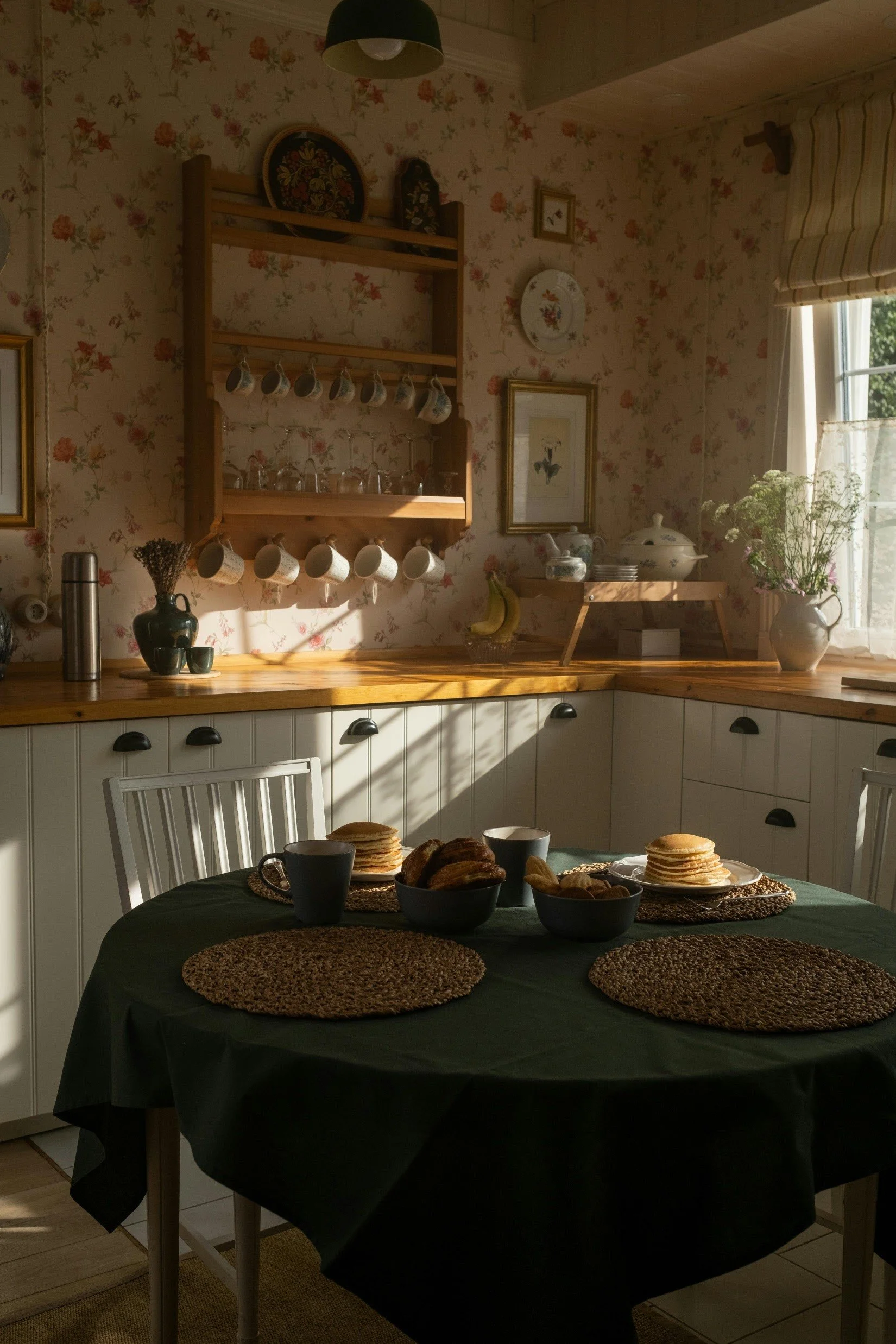
Swapping out the builder-grade knobs and pulls in your kitchen, bathroom, and on doors can make a huge difference. Look for:
Ron Lach
Antique brass or matte black finishes
Crystal or milk glass doorknobs
Latch-style cabinet closures
You can find authentic vintage hardware on Etsy, eBay, or at architectural salvage shops—but there are also great reproductions online if you want a consistent set.

4. Embrace Furniture That Tells a Story
Old homes weren’t filled with matched sets from big-box stores. They had inherited pieces, flea market finds, and furniture that had a little quirk to it. Bring that spirit into your newer space with:
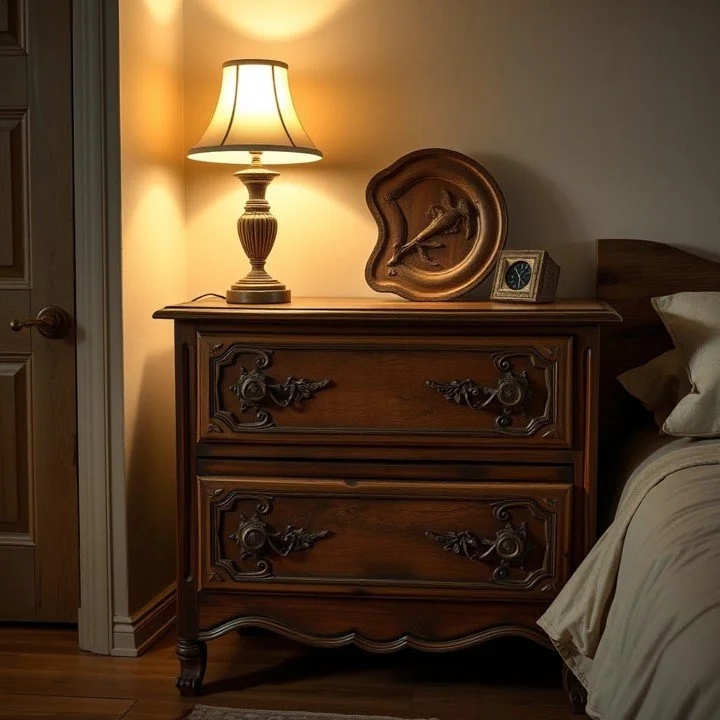
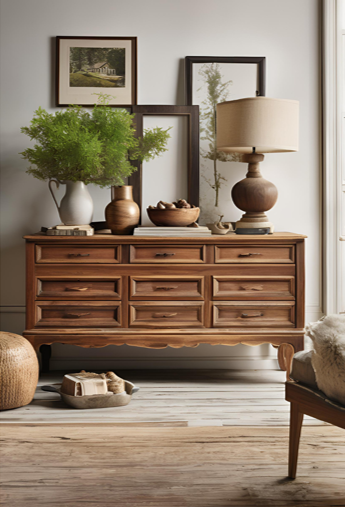
A leggy vintage console table in your entryway
A worn wood dresser as a nightstand
Mismatched dining chairs (bonus charm if you paint them the same color)
Even one or two antique or heirloom pieces in each room can ground the space and make everything around them feel more layered and personal.
5. Hang Art Like It’s Been There for Years
Instead of centering one big piece on every wall, try creating gallery walls that mix frame sizes, styles, and art types. Layer a few leaning pieces on shelves or buffets. Choose oil portraits, landscapes, or etchings that look like they’ve been passed down (even if they’re just great thrift finds or digital prints from Etsy).
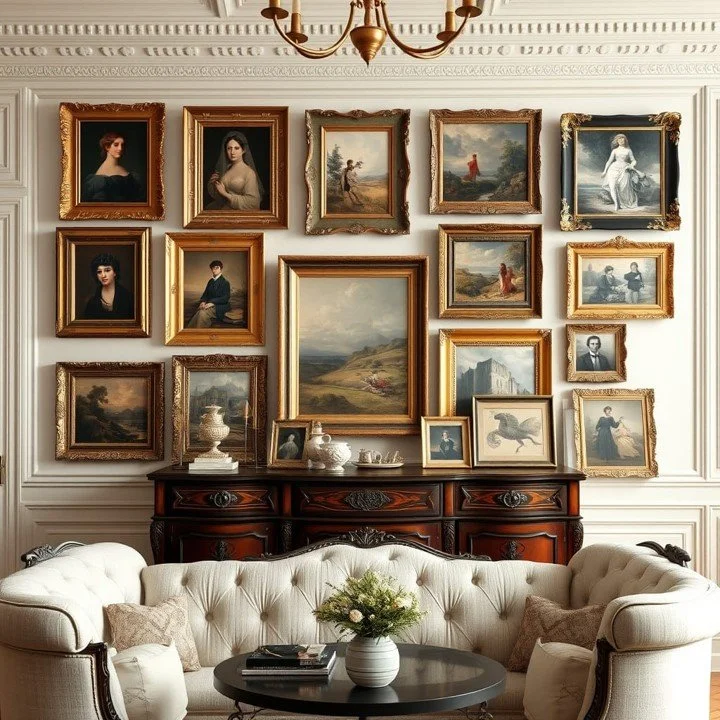
Bonus points for:
Oval frames
Gold or wood finishes with patina
Paint-by-numbers or botanical charts
Art doesn’t have to be expensive to feel special. It just needs to feel collected—not coordinated. And my top rule for art is: if you love it, it’s the right choice!
6. Upgrade Your Light Fixtures with Charm in Mind
Swapping out builder grade light fixtures is one of the easiest ways to add instant character to any blah room. Ditch the standard brushed nickel flush mounts and go for something with a bit more soul.
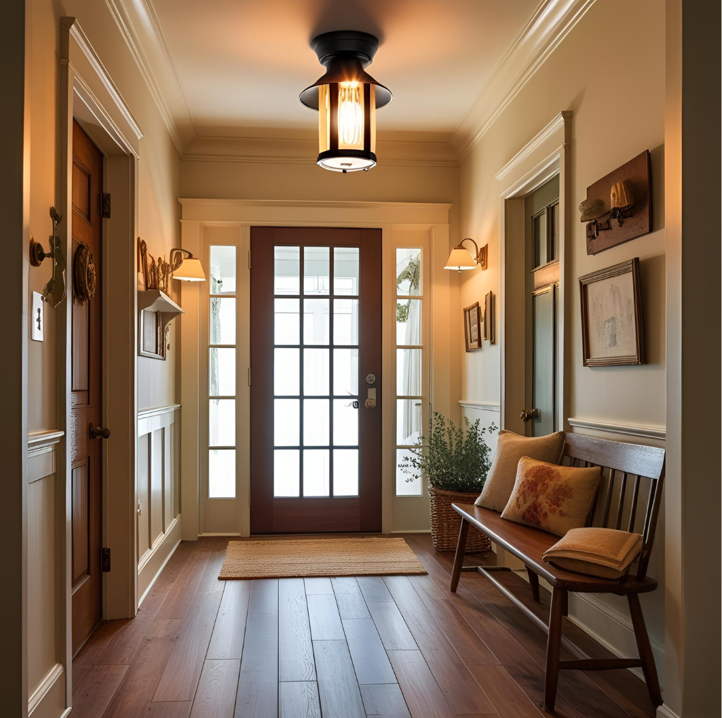
Try a semi-flush schoolhouse light in a hallway or kitchen.
Hang a shaded chandelier or beaded pendant over the dining table.
Use plug-in sconces beside the bed or above art for a library-like feel.
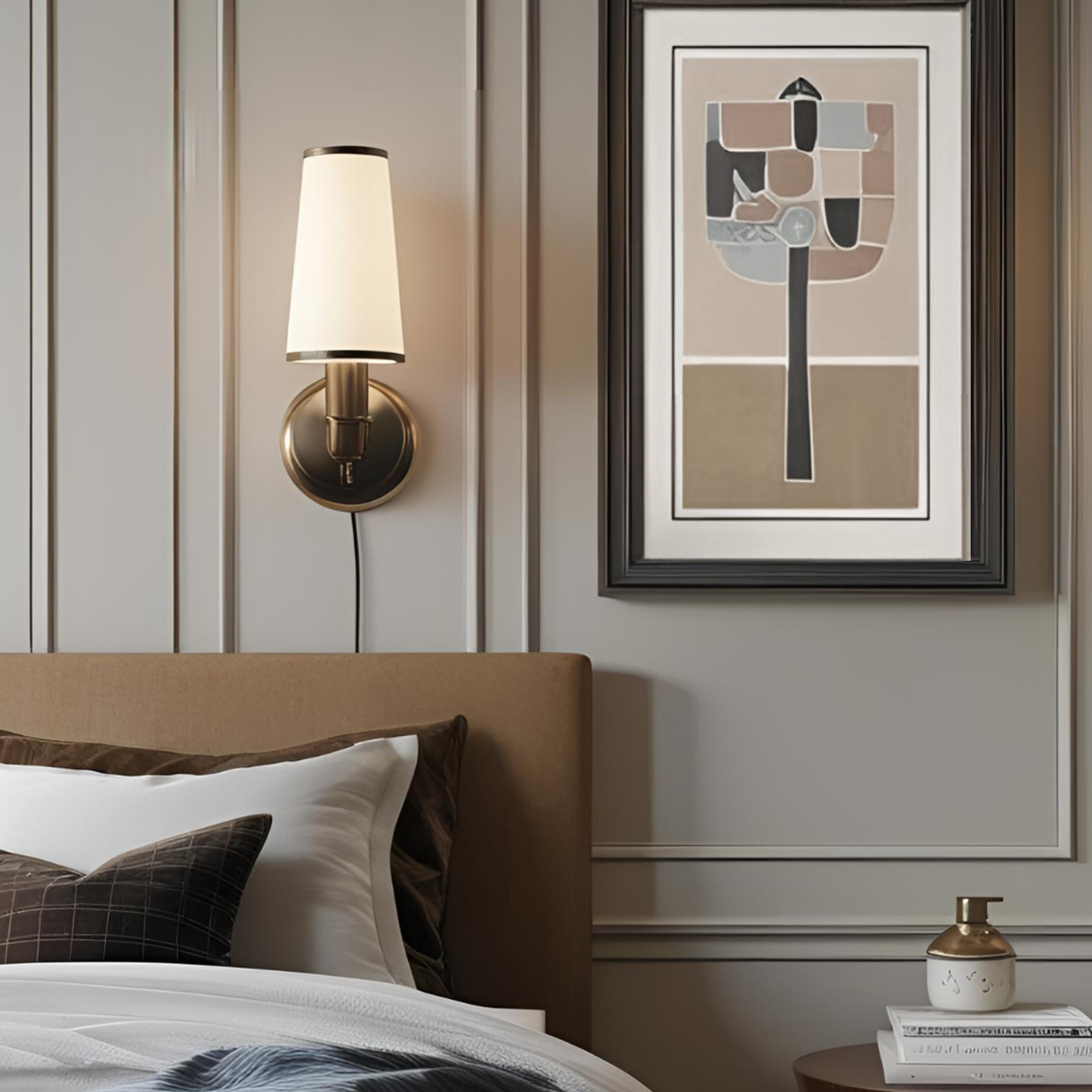
A soft, warm light bulb (think 2700K or lower) will cast a cozy glow that flatters your space and your face.
I always tell my clients, “Lighting makes any room décor look better.” And you need more lighting than you think you will need too. Never only rely on overhead lighting. Always add table, floor, accent, and ambient lighting. Think about the light needed in any room: do you need reading or task light next to the bed, sofa, or chair? Will a dark corner benefit from some accent light: up-lights in a corner to add drama and shadows? Or could a hutch or etagere benefits from some LED stirps on the back to create depth and illumination on the wall?
7. Use Books and Collected Objects for Visual Storytelling
In older homes, surfaces tell stories—books with cracked spines, bowls of gathered sea glass, stacked boxes, candle holders, old clocks. Curate your shelves, mantels, and tabletops with:
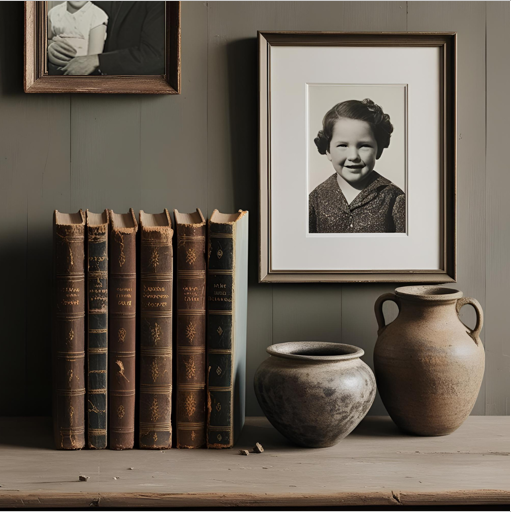
A mix of old books and new ones
Interesting boxes or tins
Framed family photos (bonus for black-and-white ones)
Bowls, jars, or pottery with age or texture
The goal isn’t clutter—it’s curated coziness. Let your home look like it’s been gently assembled over years, not styled in a single afternoon.
8. Choose Fabrics That Feel Lived-In and Timeless
Think linen, velvet, wool, or faded florals. These materials feel warm and textural—nothing shiny or stiff. Consider:
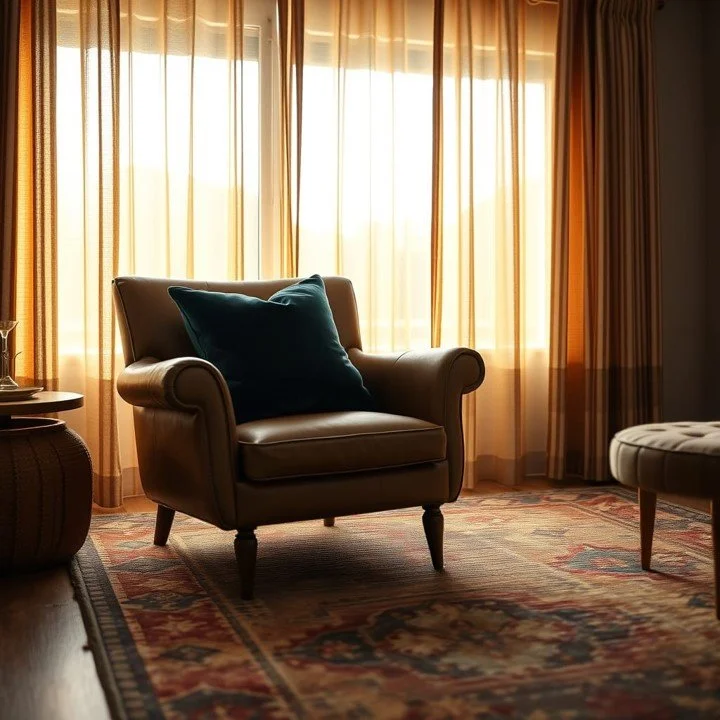
A velvet throw pillow or seat cushion
Striped or block-printed curtains
Layered rugs (a flat jute under a vintage-looking patterned rug works beautifully)
Even a worn-in quilt or a linen tablecloth can change the tone of a room from “new and neat” to “lived-in and loved.”
9. Consider Paneled or Painted Interior Doors
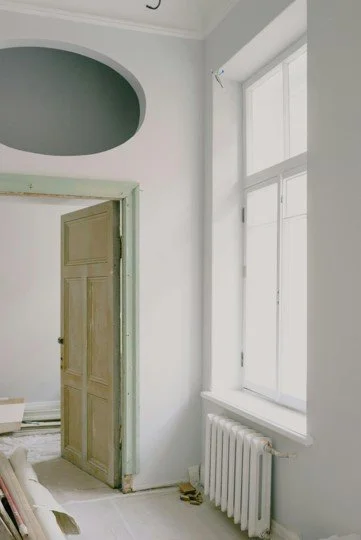
Interior doors are often overlooked—but they’re prime real estate for charm. Paint them a moody green, navy, or taupe. Or, if you’re feeling adventurous, replace a few with salvaged wood or glass-paneled doors.
Ksenia Chernaya
You can also add trim to flat-panel doors to fake the look of shaker or Craftsman styles. It’s a weekend project with a big payoff.
10. Add Age with Patina, Not Perfection
The biggest key to old-home charm? Embrace the imperfect. Mix wood tones. Layer textures. Let your brass age naturally. Choose pieces with dings or wear. Your home should feel relaxed, lived-in, and loved—not showroom-perfect.
Final Thoughts
You don’t need a historic home to create that sense of soul and story. With a few intentional choices, some vintage, some DIY, some just smart styling—you can bring warmth and character into even the most builder-basic rooms. Your home should reflect you—your stories, your style, your sense of comfort.
So let it grow into itself. Let it feel like it’s been loved for years. And remember charm isn’t about perfection—it’s about personality.
Now it’s your turn, let me know what you did to make a newer home feel more like a charming older home. Did you add any of the things I mentioned here, or something else? (It helps me know I’m on the right track with my posts.) I’d love to hear what you did, or what you’re planning to do!
Read Next:
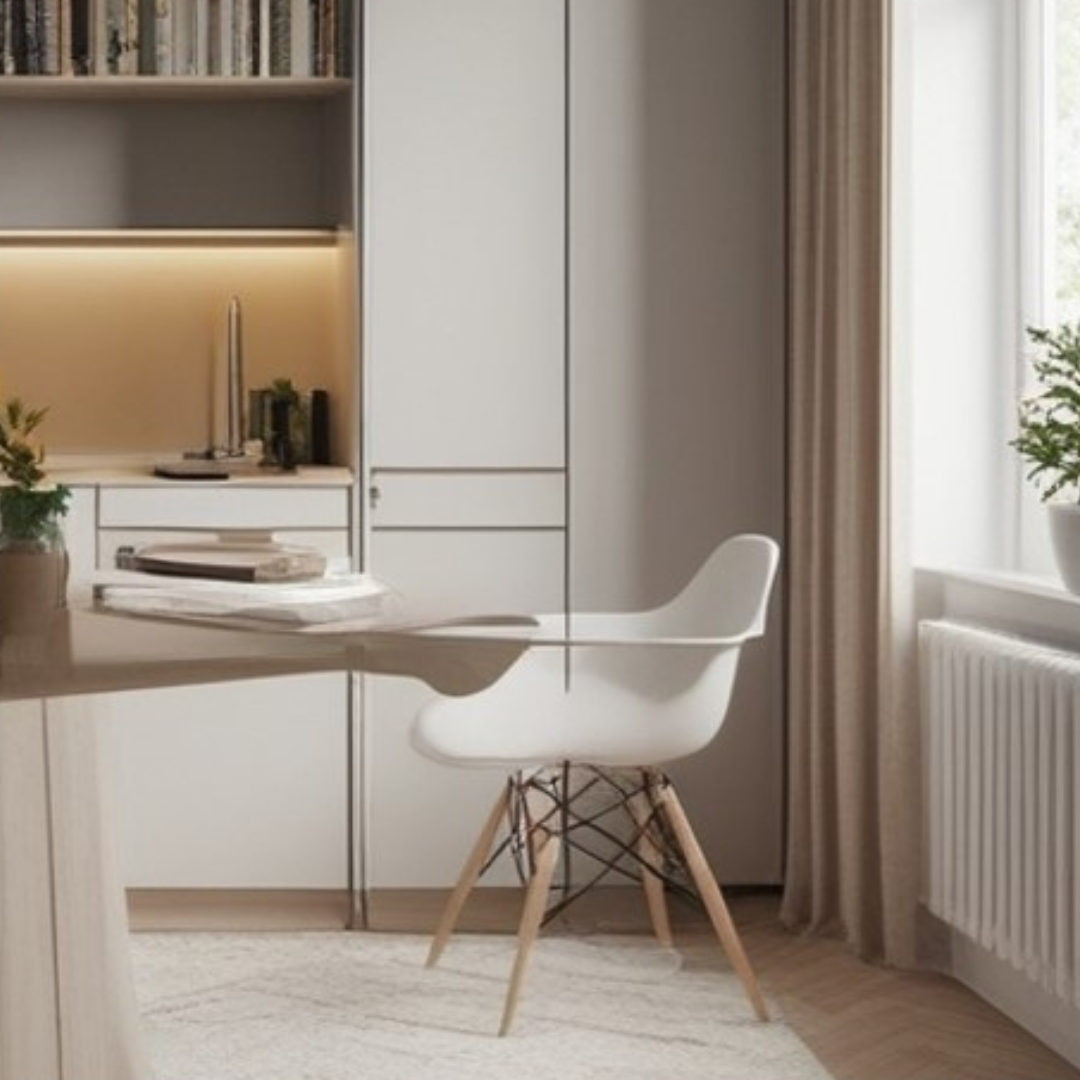
What No One Tells You About Downsizing: Surprising Differences Between Large and Small Homes
Living in a small home comes with plenty of perks—coziness, lower costs, and a simpler lifestyle—but it also comes with unexpected realities no one talks about. From HVAC quirks that make temperature control tricky to the surprising impact of sound and lighting, small-home living requires a whole new approach to comfort, storage, and even entertaining. Whether you're downsizing or just trying to make a compact space work better, these real-life lessons will help you avoid common pitfalls and make the most of every square foot.

Michael is Principal designer and blogger at Michael Helwig Interiors in beautiful Buffalo, New York. Since 2011, he’s a space planning expert, offering online interior e-design services for folks living in small homes, or for those with awkward and tricky layouts. He’s a frequent expert contributor to many National media publications and news outlets on topics related to decorating, interior design, diy projects, and more. Michael happily shares his experience to help folks avoid expensive mistakes and decorating disappointments. You can follow him on Pinterest, Instagram and Facebook @interiorsmh.